


New Zealand: The Perfect Season for Your Dream Trip (Insights & Insider Tips)

New Zealand: The Perfect Season for Your Dream Trip (Insights & Insider Tips)

Best Time to Visit New Zealand: A Seasonal Guide for the Discerning Traveller

Key Takeaways

  • Late January to early March offers the most settled, warm weather while avoiding the busiest domestic holiday period.
  • Shoulder seasons (March to May and September to November) provide the ideal balance of mild temperatures, vibrant scenery, and fewer tourists.
  • Winter (June to August) serves as the peak period for alpine enthusiasts in Queenstown and Central Otago, while remaining quiet and cost-effective elsewhere.
  • New Zealand weather is famously changeable, requiring high-quality layers regardless of the month you choose to visit.

Choosing the right time to visit New Zealand depends entirely on the experiences you value most. Whether you are dreaming of a sun-drenched coastal escape, a crisp alpine adventure, or a quiet tour through world-class vineyards, each season offers a distinct character. As locals who spend our days navigating these roads, we see how the landscape transforms, and we know that the "best" time is often a matter of personal preference and priority.

New Zealand operates on a mild maritime climate. Average annual temperatures range from about 10°C in the far south to 16°C in the subtropical north, according to NIWA climate data. This variation means your experience in Auckland will differ significantly from a week spent in Queenstown, especially during the transition months. Understanding these nuances is the first step in planning a journey that feels effortless and rewarding.

Summer: December to February

Summer is the most popular time for international visitors, and for good reason. The days are long, with twilight lingering well past 9:00 pm in the South Island, providing ample time for exploration. Coastal maximums typically reach between 20°C and 25°C, making it the premier season for beach holidays in the Bay of Islands or the Coromandel. This period attracts the highest volume of travellers, with December 2024 seeing nearly 470,000 visitor arrivals.

The peak of the season occurs in late December. Data from Stats NZ shows that overseas visitor numbers often peak around 29 December. If you prefer a more relaxed pace with easier access to popular sights, we recommend focusing your travel on February. By this time, the local school holidays have concluded, yet the weather remains settled and warm. It is the perfect window for those seeking a classic New Zealand summer without the maximum crowd density.

Autumn: March to May

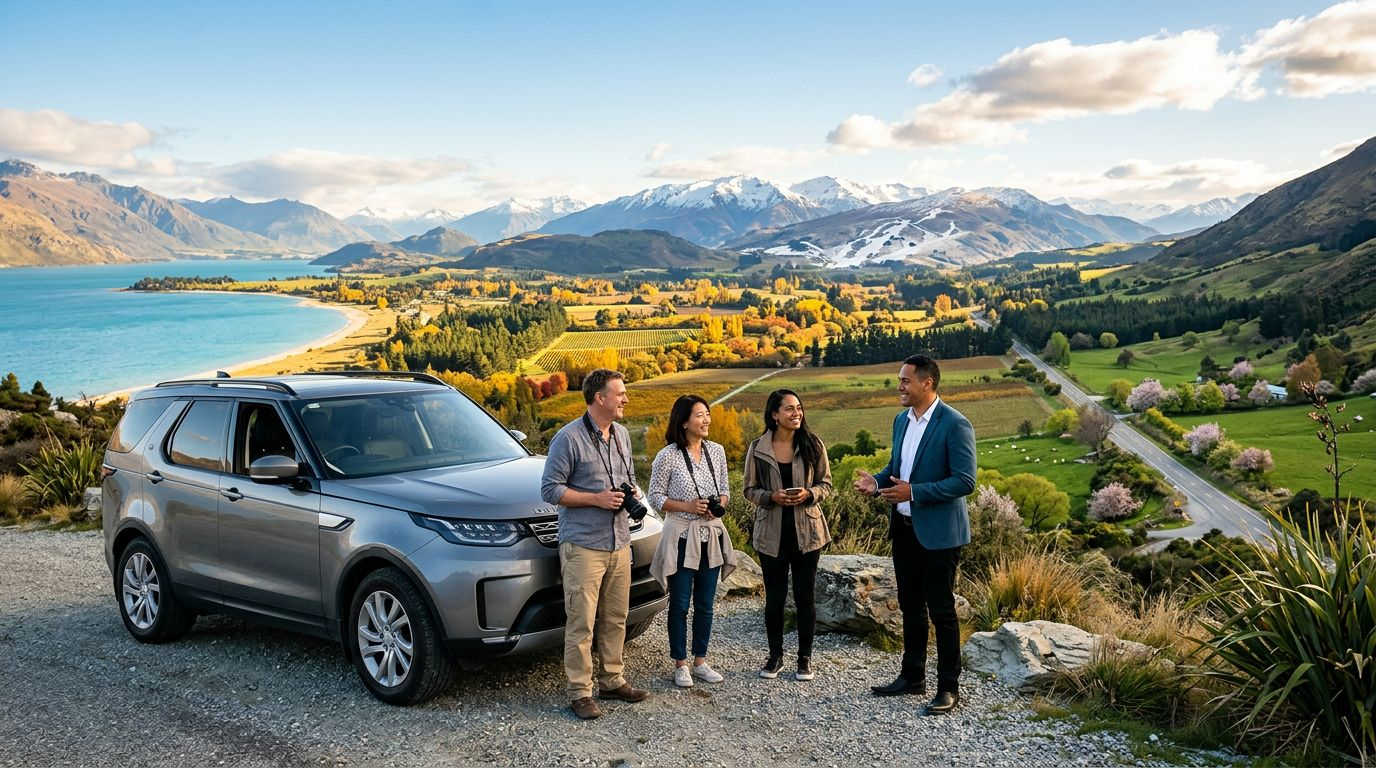
Autumn is frequently cited by our team as the "sweet spot" for touring. The weather remains mild and settled, particularly in March and April, while the summer crowds begin to thin. In regions like Central Otago and Hawke’s Bay, the landscape turns to brilliant shades of gold and orange. This is also the harvest season for New Zealand’s wine regions, offering a unique atmosphere for food and wine enthusiasts.

Travelling during the autumn shoulder season provides excellent value and greater flexibility with accommodation and activities. Typical maximum temperatures in Auckland stay around 20°C in the early part of the season, while Queenstown begins to cool, offering crisp, clear mornings. For a deeper look at how to structure a trip during these months, you can read our guide on choosing the perfect North vs. South Island itinerary.

Winter: June to August

Winter transforms New Zealand into a dual-natured destination. In the South Island, the Southern Alps become a playground for skiers and snowboarders. Queenstown and Wānaka buzz with energy, though temperatures are much cooler, with Queenstown maximums averaging around 6°C in July. Conversely, the North Island remains relatively mild, though it does experience higher rainfall during these months.

Outside of the ski hubs, winter is the quietest and most economical time to visit. It is a season suited for those who enjoy cosy lodges, geothermal hot pools in Rotorua, and having iconic landscapes like Milford Sound almost to themselves. While some high-alpine hiking tracks are restricted due to snow, the lower-level walks and coastal scenery remain accessible and strikingly beautiful under the winter light.

Spring: September to November

Spring is a season of rapid change and immense natural beauty. The landscapes are at their most lush, waterfalls are at full flow from snowmelt, and the countryside is dotted with new lambs and spring blossoms. While the weather can be unpredictable, with "four seasons in one day" being a common occurrence, the increasing daylight hours and fresh air make it an invigorating time to explore.

November is a particularly strong choice for travellers wanting to get ahead of the summer rush. The temperatures are warming, the lupins are beginning to bloom around Lake Tekapo, and the trails are generally quiet. It is a fantastic time for nature photography and wildlife spotting, as the country feels like it is waking up for the year ahead.

Regional Climate Realities

New Zealand’s geography creates significant regional weather patterns. The West Coast of the South Island is famously wet, receiving between 600 and 1,600 mm of rain annually in most parts, while the eastern side of the Southern Alps remains much drier. This contrast is why we often adjust our daily routes based on local conditions to ensure our guests get the best views possible.

The North Island offers a more subtropical feel, with Auckland’s winter maximums staying around 14°C to 15°C. This makes the North Island a viable year-round destination for those who prefer to avoid the cold. For those planning a comprehensive tour of both islands, we suggest allowing at least 12 to 14 days to account for these regional differences and the travel time required to see them properly.

The Practicality of a Private Driver in Any Season

Regardless of when you visit, the reality of New Zealand roads remains the same: they are often narrow, winding, and slower than they appear on a map. Official safety guidance recommends taking breaks every two hours, a task that becomes much easier when you have a professional at the wheel. In winter, our drivers handle the complexities of ice and snow on mountain passes. In summer, they manage the heavy traffic and navigation, allowing you to focus entirely on the scenery.

A private driver-guide provides the flexibility to pivot your plans based on the day's weather. If a sudden spring shower hits the West Coast, your guide knows the best indoor gallery or hidden cafe to wait it out. This level of local knowledge ensures that your time is used efficiently, no matter what the clouds are doing. You can learn more about the benefits of this approach in our article on the ultimate guide to private guided tours.

Planning Your Perfect Timing

If you are planning your first trip and want the highest probability of sunshine with manageable crowds, aim for the window between mid-February and late March. For those focused on budget and quiet exploration, May or September offer significant advantages. If your heart is set on the snow, July and August are your primary targets.

For a detailed breakdown of costs and how to pace your journey, our 7-step guide to a bespoke adventure provides a clear framework for building your itinerary. New Zealand is a country that rewards those who embrace its seasonal shifts. Whenever you choose to arrive, we are here to ensure your journey is comfortable, safe, and perfectly tailored to the time of year.

by John Beechey 19 April 2026
Plan your perfect New Zealand adventure with our expert North Island South Island road trip itinerary. Discover the best routes from Auckland to Queenstown.
The glowing ceiling of Waitomo Glowworm Caves in New Zealand
by John Beechey 19 April 2026
Experience the bioluminescent wonder of Waitomo Glowworm Caves. Our 2026 guide covers boat tours, Ruakuri adventure, and luxury transfers from Auckland with Kiwi Driver Tours.
by John Beechey 18 April 2026
Discover the best Auckland rainy day activities. From the Sky Tower to world-class museums, explore the city's top indoor attractions in comfort and style.
by John Beechey 18 April 2026
Arriving at Auckland Airport for the first time? Our guide covers everything from biosecurity and customs to the best transport options for a seamless start.
by John Beechey 18 April 2026
Compare Auckland Airport transport: bus, Uber, taxi & private transfers. Find the cheapest, fastest, and most reliable way to reach the city.
by John Beechey 18 April 2026
Compare Auckland Airport to city transport options. Learn about taxi fares, Uber surge pricing, and the value of private transfers for your Auckland airport transfer.
by John Beechey 18 March 2026
Discover how to choose the perfect Auckland wedding car. Learn about budgeting, professional chauffeur benefits, and essential transport planning for your big day.
by John Beechey 19 February 2026
Discover luxury New Zealand tours for your honeymoon. Explore Queenstown, Milford Sound, and volcanic landscapes with a private tour guide in Aotearoa.
by John Beechey 11 February 2026
Discover the new standard of luxury guided tours in New Zealand. Explore how private driver-guides, exclusive lodges, and regenerative travel create a seamless high-end experience.
by John Beechey 11 February 2026
Discover the realities of driving in New Zealand. Compare rental car costs and safety with the luxury and ease of a private driver for your next Kiwi adventure.
Show More