New Zealand Tour: Pack Smarter, Not Harder! Your Ultimate Kiwi Adventure Packing Guide

Your Ultimate New Zealand Tour Packing Guide
Key Takeaways
- The layering system remains the most effective way to manage New Zealand’s famously changeable weather.
- High UV intensity requires quality sun protection even on cooler, overcast days.
- Smart casual attire suffices for most premium dining and vineyard experiences across the country.
- New Zealand uses Type I power outlets and 230–240V electricity, requiring specific adapters for many international guests.
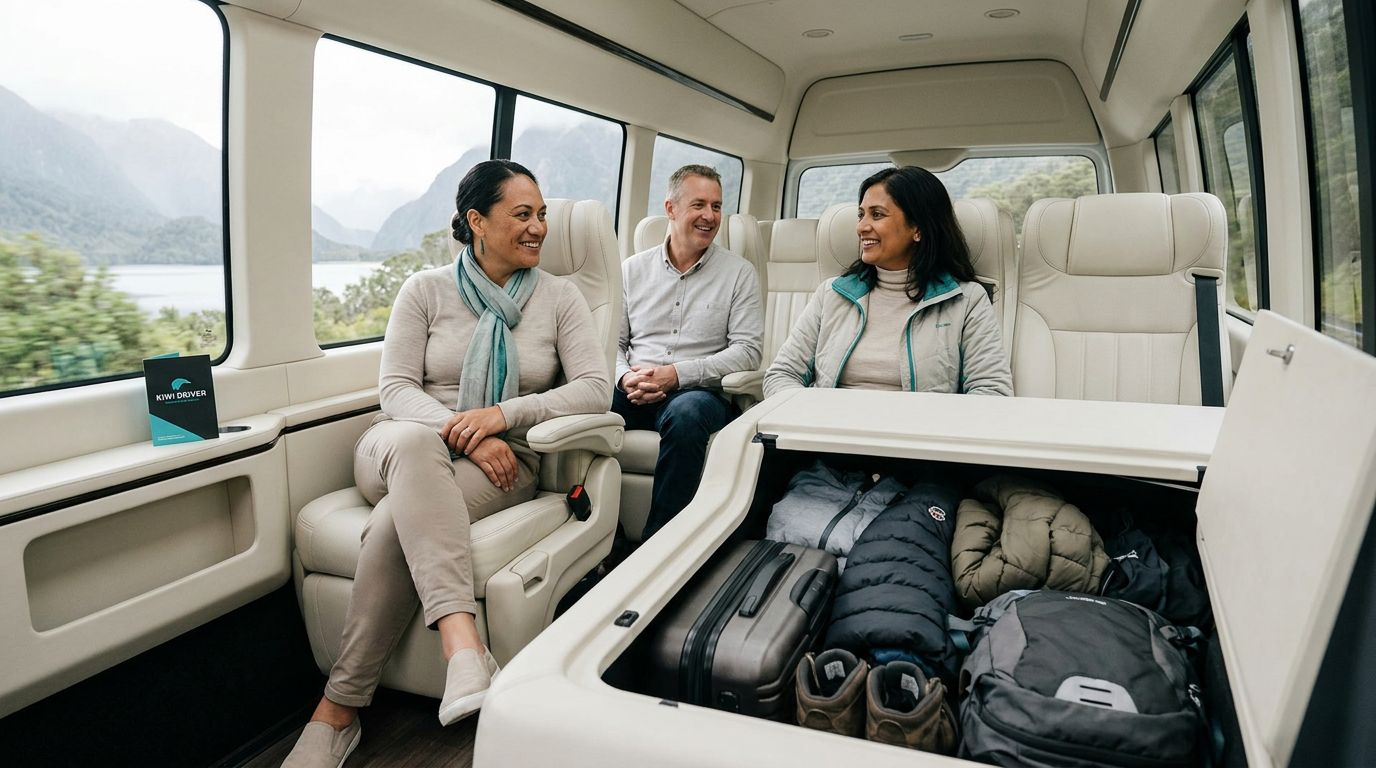
- Private tours offer the luxury of vehicle storage, allowing you to keep extra layers close at hand without carrying them.
Preparing for a trip to Aotearoa New Zealand often brings a mix of excitement and a little bit of "suitcase stress." Our maritime climate is mild and beautiful, yet it is also famously unpredictable. You might start a morning in Auckland with bright sunshine and end the afternoon in a refreshing downpour. We often tell our guests that if they dislike the weather, they should simply wait ten minutes.
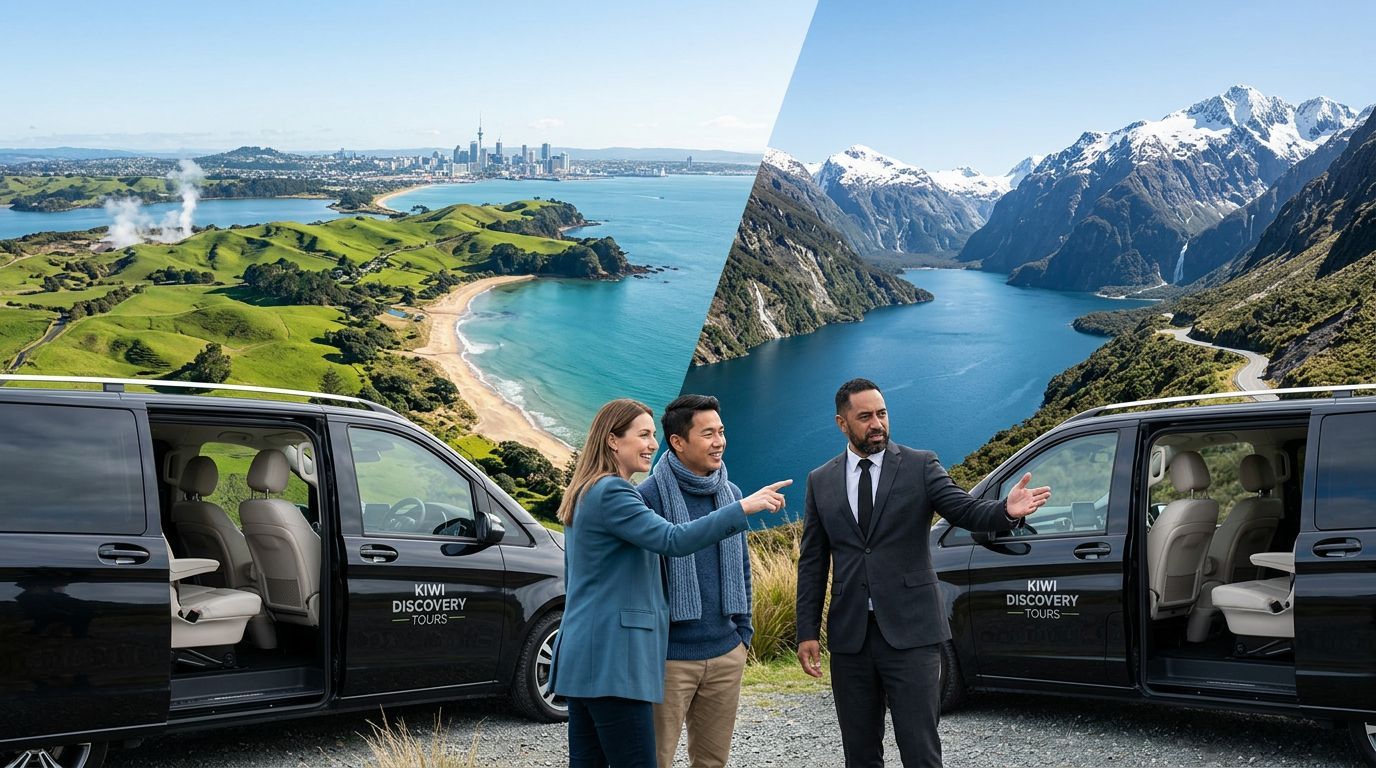
Packing for a New Zealand tour requires a strategy of flexibility. Whether you are joining us for a 12-day North and South Island adventure or a bespoke day tour, the right gear ensures you stay focused on the scenery rather than your comfort levels. This guide provides a practical, expert-backed framework to help you pack with confidence.
The Golden Rule: Master the Layering System
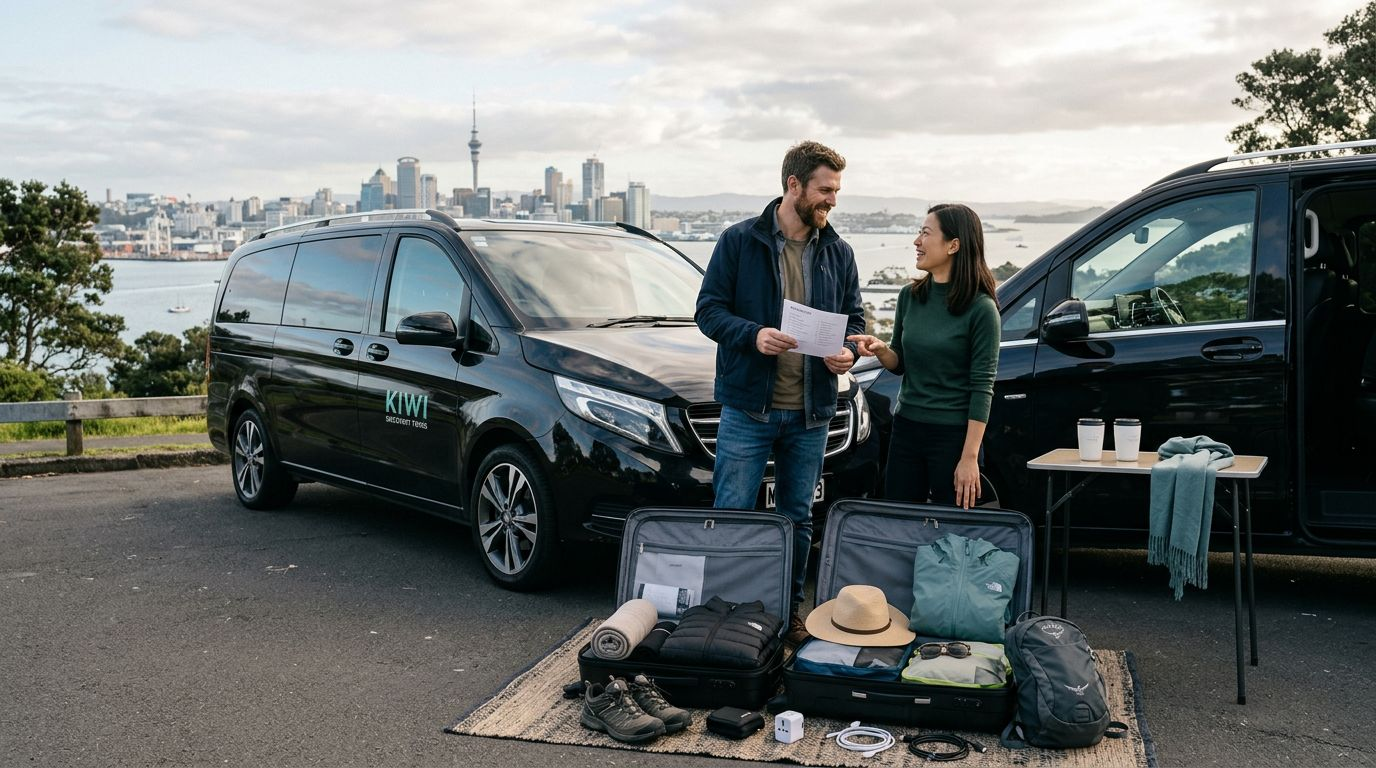
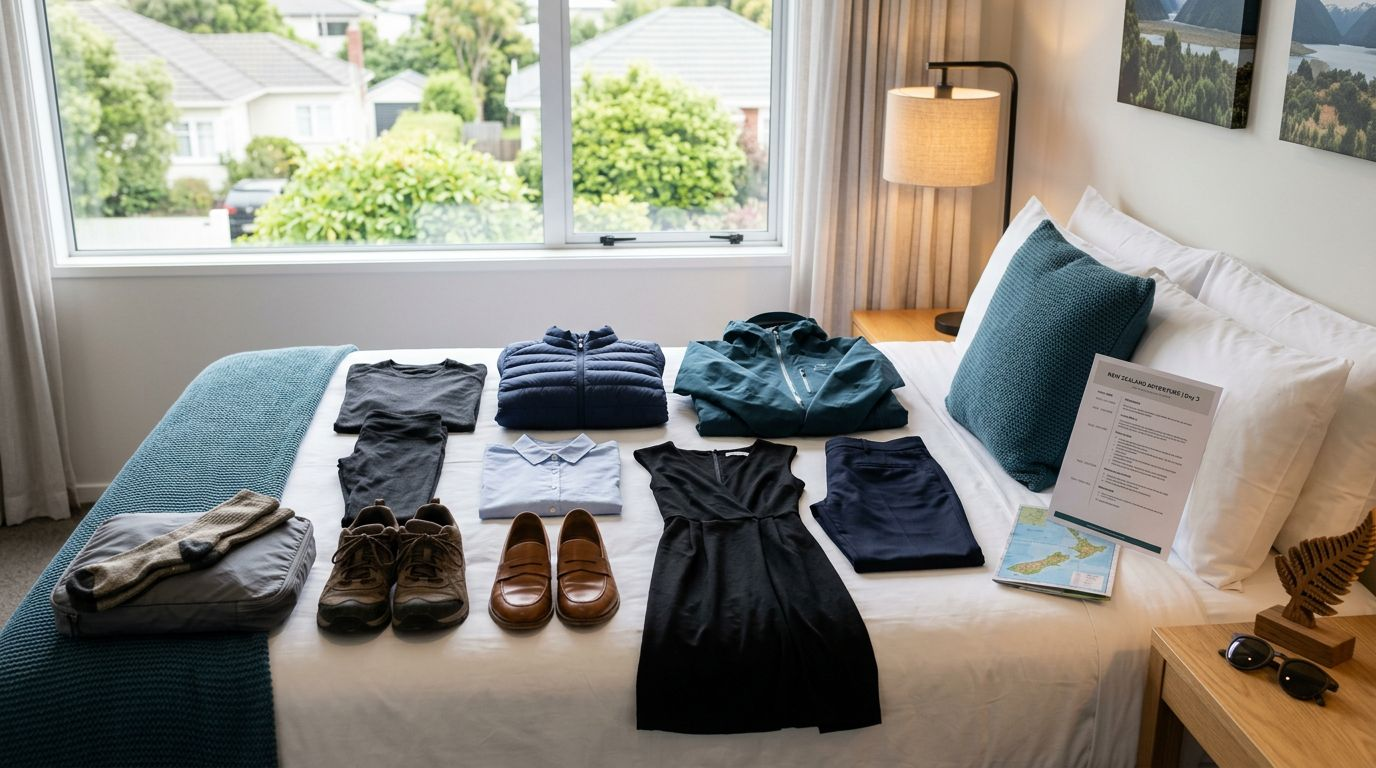
Successful packing for New Zealand relies on a versatile layering system rather than heavy, single-purpose items. This approach allows you to adapt quickly as you move between regions or as the day warms up. A standard system consists of a breathable base layer, an insulating mid-layer, and a protective outer shell.
Merino wool is the gold standard for base layers in New Zealand. It regulates temperature effectively, stays odour-free for longer, and feels soft against the skin. For your mid-layer, a lightweight puffer jacket or a quality fleece provides necessary warmth without adding bulk to your luggage. Your outer layer must be a high-quality waterproof and windproof shell. Because New Zealand experiences significant rainfall year-round , a reliable raincoat is a non-negotiable item for every traveller.
Seasonal Packing Checklists
New Zealand’s temperatures vary significantly from the subtropical north to the alpine south. Understanding these regional differences helps you refine your wardrobe choices.
Summer (December to February)
Summer brings long daylight hours and typical coastal maximums between 20°C and 25°C. This is the peak season for beaches and outdoor exploration. Even in summer, a tropical-style rain system or a sudden cold front can lower temperatures quickly. We recommend packing lightweight linens and cottons, but always keep a light sweater or your waterproof shell in the vehicle.
Detailed seasonal insights can be found in our guide on the perfect season for your New Zealand trip.
Autumn (March to May)
Autumn offers some of the most settled and beautiful weather of the year. In early autumn, Auckland often maintains temperatures around 20°C, while the South Island begins to show crisp, cool mornings. You will need to lean more heavily on your mid-layers during this season, especially if your itinerary includes the central North Island or the deep South.
Winter (June to August)
Winter temperatures generally range from 1°C to 15°C across the country. However, alpine regions in the South Island can drop to -10°C. If you are visiting Queenstown, where July maximums average around 6°C , you will require thermal base layers, a heavy puffer jacket, a beanie, and gloves. Winter is a spectacular time for touring, provided you have the insulation to enjoy the crisp mountain air.
Spring (September to November)
Spring is a season of transition, with temperatures sitting between 4°C and 18°C. Expect a mix of bright sunshine and frequent showers. This is the time to ensure your waterproof gear is easily accessible. A pair of comfortable, water-resistant walking shoes is essential for navigating garden tours or light nature walks during the spring melt.
Packing for Specific Experiences
New Zealand tours often blend rugged nature with sophisticated urban experiences. Your suitcase needs to reflect this variety.
Fine Dining and Vineyard Visits
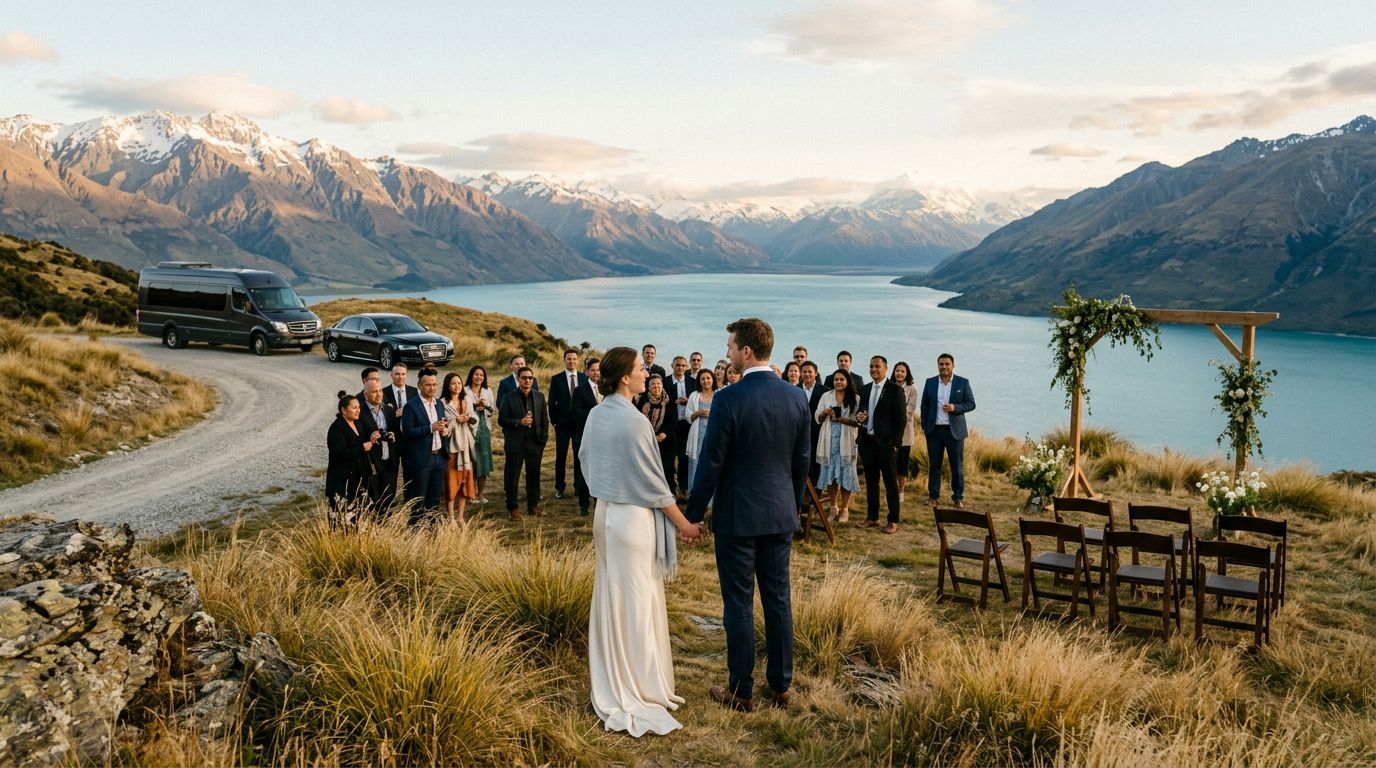
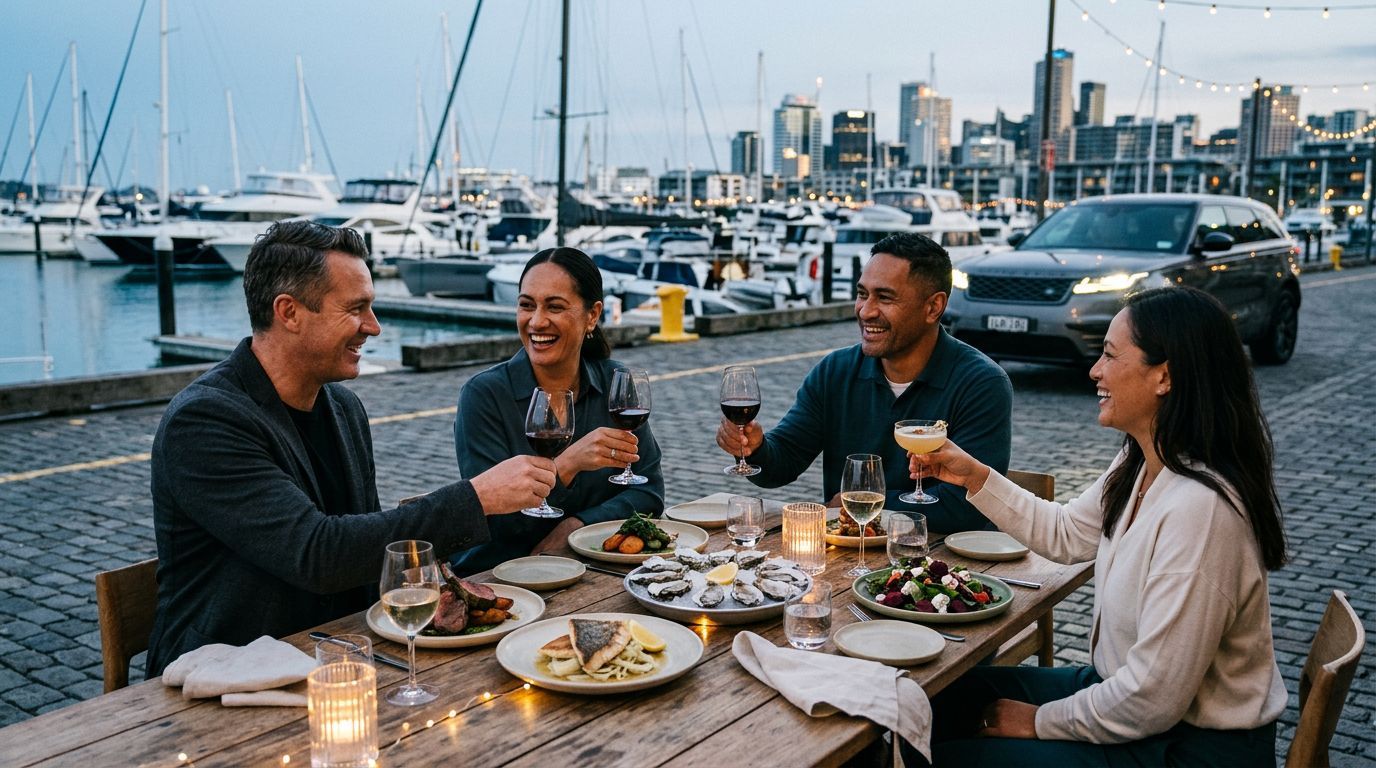
New Zealand maintains a relaxed approach to luxury. Most high-end restaurants and vineyard bistros favour a "smart casual" dress code. For men, a collared shirt and chinos are perfectly appropriate. For women, a versatile dress or nice trousers paired with a cardigan or blazer works well. You can leave the formal evening wear at home and focus on high-quality, comfortable pieces that transition from a day of sightseeing to a beautiful dinner.
Exploring the Great Outdoors
If your tour includes the West Coast or Fiordland, you are entering regions that receive between 600mm and 1,600mm of rain annually. Sturdy, waterproof hiking boots or walking shoes are vital. We also suggest packing long socks and lightweight trousers to protect against sandflies, which are common in these damp, coastal areas. A small daypack is useful for carrying your water bottle, camera, and spare layers during short walks.
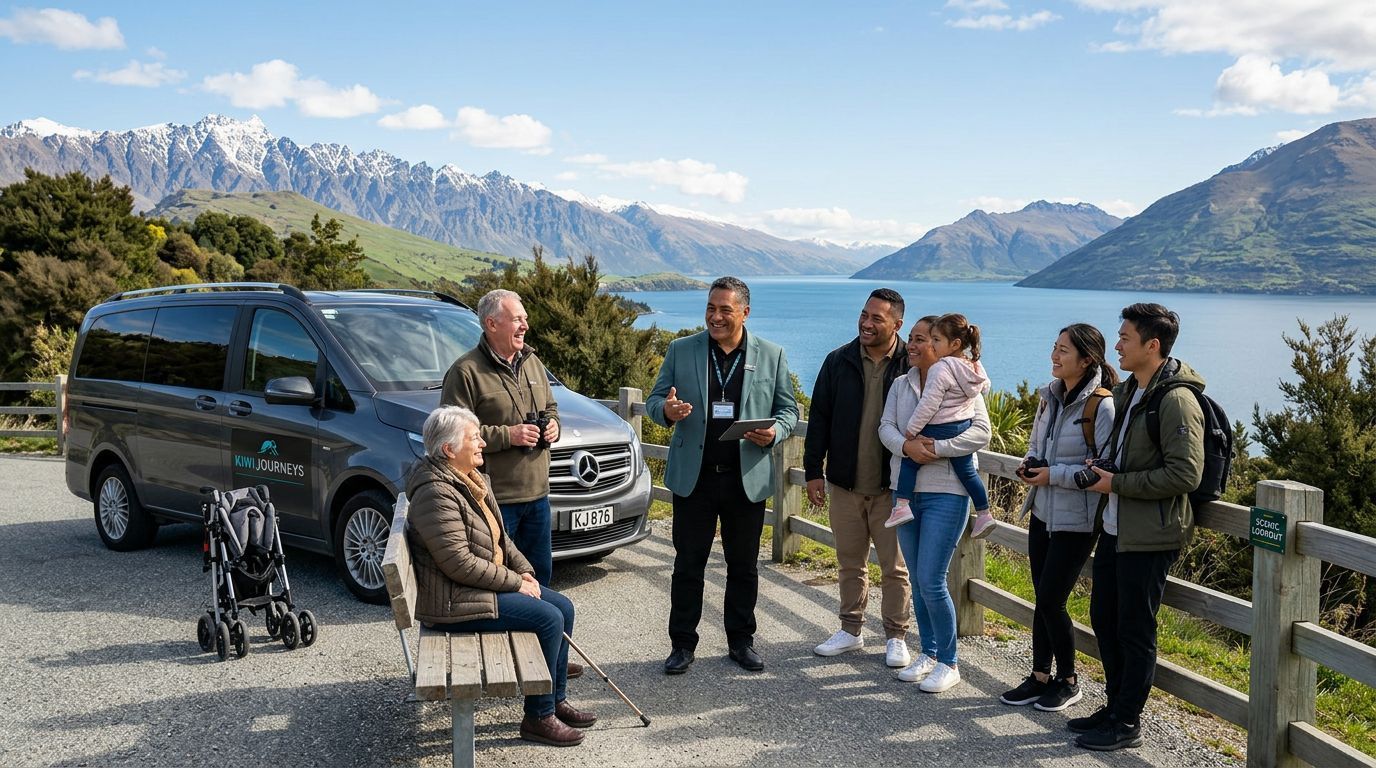
Choosing a private guided tour allows you to leave these heavier items in the vehicle when you are not using them, keeping your personal space uncluttered.
Essential Non-Clothing Items
A few practical extras can make a significant difference in your daily comfort levels. New Zealand’s environment has a few unique characteristics that catch many travellers off guard.
The sun in New Zealand is exceptionally strong due to lower ozone levels and clear air. You must use high-SPF sunscreen, a wide-brimmed hat, and quality sunglasses even on overcast days. Many visitors find they burn much faster here than in Europe or North America. Additionally, authoritative climate data from NIWA confirms that UV levels remain a concern throughout the summer months.
Regarding electronics, New Zealand uses Type I power outlets with two flat pins in a V-shape. The voltage is 230–240V. Most modern laptop and phone chargers are dual-voltage, but you will definitely need a plug adapter. We recommend bringing a small power bank to keep your devices charged during long scenic drives, although our luxury vehicles do offer charging ports for your convenience.
The Benefit of a Private Tour for Your Luggage
One of the greatest advantages of touring with us is the logistical support we provide. In a self-drive scenario, you are responsible for every bag and every transition. With a private driver, we handle the heavy lifting. We can advise on the best luggage sizes for our various vehicle classes, ensuring everyone travels in complete comfort.
Take a couple touring the South Island, for example. They might want to bring extra gear for a boat cruise in Milford Sound but only need light clothing for a wine tour in Central Otago. Because our vehicles have ample storage, you can keep your "just in case" layers in the boot, ready to be grabbed the moment the weather shifts. This flexibility allows you to pack for every possibility without the burden of carrying it all yourself.
By focusing on quality layers, essential sun protection, and versatile footwear, you set the stage for a seamless New Zealand experience. We look forward to welcoming you and helping you discover the best of our beautiful country in total comfort.