
Aotearoa Unplugged: Your Eco-Guide to Sustainable Tourism in New Zealand | Kiwi Driver

What is Sustainable Tourism? A Guide for the Conscious NZ Traveller
Key Takeaways
- Sustainable tourism balances environmental protection, social responsibility, and economic viability for long-term health.
- The Tiaki Promise serves as the national framework for visitors to care for New Zealand’s land, culture, and people.
- Qualmark certifications provide a reliable way for travellers to identify operators committed to high sustainability standards.
- Small-scale private tours reduce environmental pressure and provide direct economic support to local communities.
New Zealand is often defined by its landscapes, from the rugged coastlines of the South Island to the geothermal wonders of the Central North Island. As global travel evolves, the way we experience these places is shifting toward a more mindful approach. Sustainable tourism has moved from a niche interest to a fundamental way of exploring the world, ensuring that the destinations we love remain vibrant for generations to come.
We believe that luxury and responsibility go hand in hand. A premium travel experience should leave a positive footprint on the local community and the environment. Understanding what sustainable tourism looks like in a New Zealand context allows you to make choices that enhance your journey while protecting the integrity of Aotearoa.
Defining Sustainable Tourism and Eco-Tours
The United Nations defines sustainable tourism as travel that takes full account of its current and future economic, social, and environmental impacts. This approach addresses the needs of visitors, the industry, the environment, and host communities. It is a broad methodology that applies to every style of travel, whether you are booking a luxury retreat or a rugged outdoor adventure.
Eco-tours sit within this wider umbrella but focus specifically on nature-based experiences. These tours often contribute directly to conservation efforts and provide educational components about the local ecosystem. In New Zealand, eco-tours might involve visiting a bird sanctuary to see the kiwi or taking a guided walk through ancient podocarp forests. Being a conscious traveller means looking beyond "green" labels and seeking experiences that genuinely respect the delicate balance of nature and culture.
The Tiaki Promise: A Commitment to Care
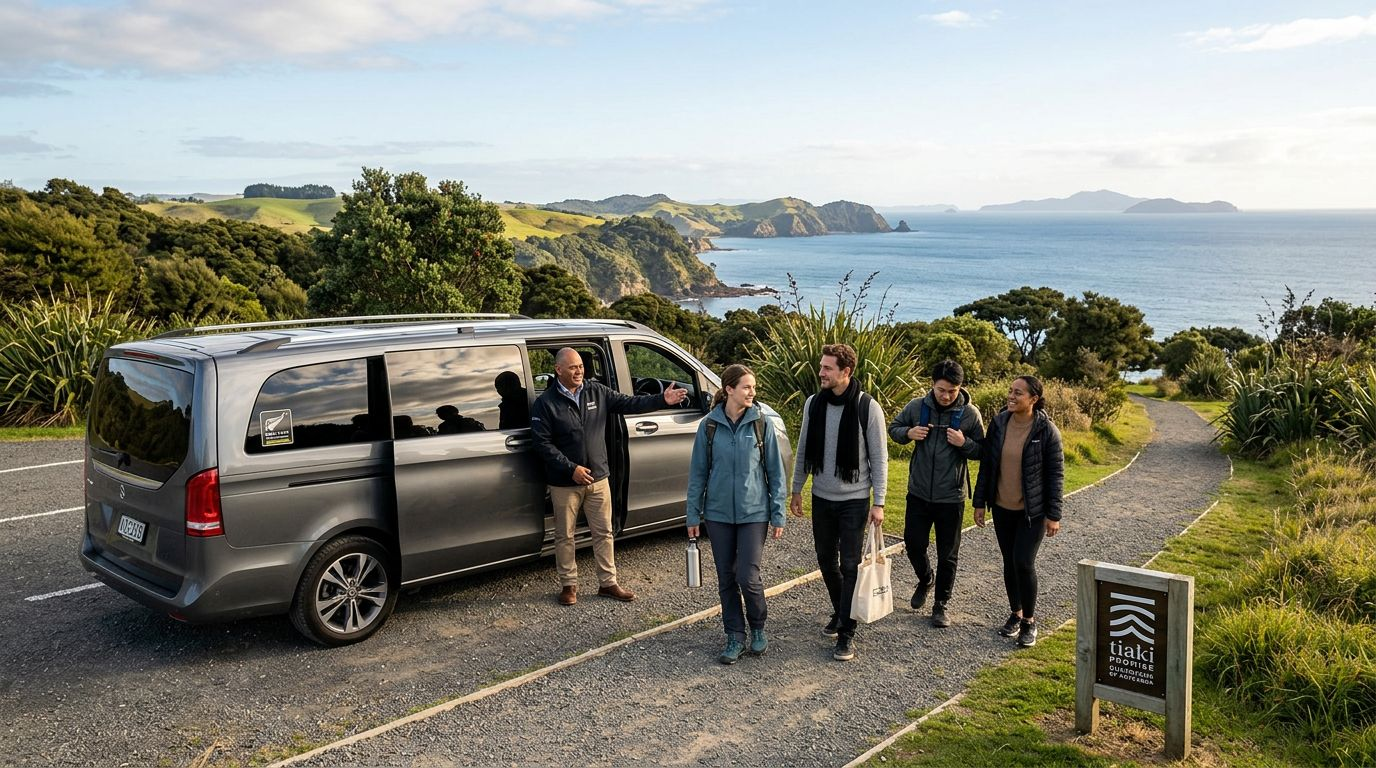
New Zealand has its own unique framework for responsible travel known as the Tiaki Promise. In Te Reo Māori, Tiaki means to care for people, place, and culture. The Tiaki Promise is a commitment that travellers make to act as guardians of New Zealand during their stay. It encourages everyone to tread lightly, leave no trace, and travel safely.
This initiative is a collaborative effort between organisations like Tourism New Zealand, the Department of Conservation, and New Zealand Māori Tourism. It provides practical guidance for visitors, such as staying on BI-marked tracks to protect native flora and respecting sacred sites with an open heart. By following the Tiaki Promise, you align your journey with the values that define the New Zealand way of life.
The Three Pillars of Sustainability
Global standards for sustainability rest on three essential pillars: the environment, socio-cultural integrity, and economic health. Each pillar plays a vital role in creating a resilient tourism industry. Environmental sustainability involves minimising waste and emissions while protecting biodiversity. In our context, this means ensuring that our fleet is meticulously maintained for efficiency and that our routes are planned to reduce unnecessary mileage.
Socio-cultural sustainability focuses on respecting the authenticity of host communities. This involves conserving cultural heritage and traditional values, particularly the role of Māori culture as the foundation of New Zealand’s identity. Economic sustainability ensures that tourism provides long-term benefits to locals. When you choose a local guide or eat at a family-owned cafe in a small town like Raglan, you contribute to a system that provides fair income and jobs to the people who live there.
How to Choose Genuine Eco-Friendly Operators
Identifying truly sustainable businesses is made easier through official certifications. Qualmark is New Zealand’s official quality assurance organisation. It independently assesses businesses on their environmental management, community engagement, and safety protocols. A Qualmark Sustainable Tourism Business Award (Bronze, Silver, or Gold) indicates that an operator meets rigorous standards aligned with global best practices.
When booking wildlife activities, such as whale watching or dolphin tours, look for operators who hold a Department of Conservation marine mammal permit. These permits ensure that the business follows strict regulations regarding vessel speed and distance to avoid disturbing marine life. You can also ask potential operators about their local employment policies or whether they have formal partnerships with Māori iwi to ensure cultural respect is embedded in their service.
Our team at Kiwi Driver focuses on providing these hosted, thoughtful experiences. You can learn more about our commitment to service and local expertise on our About Us page.
The Benefits of Small-Scale Private Tours
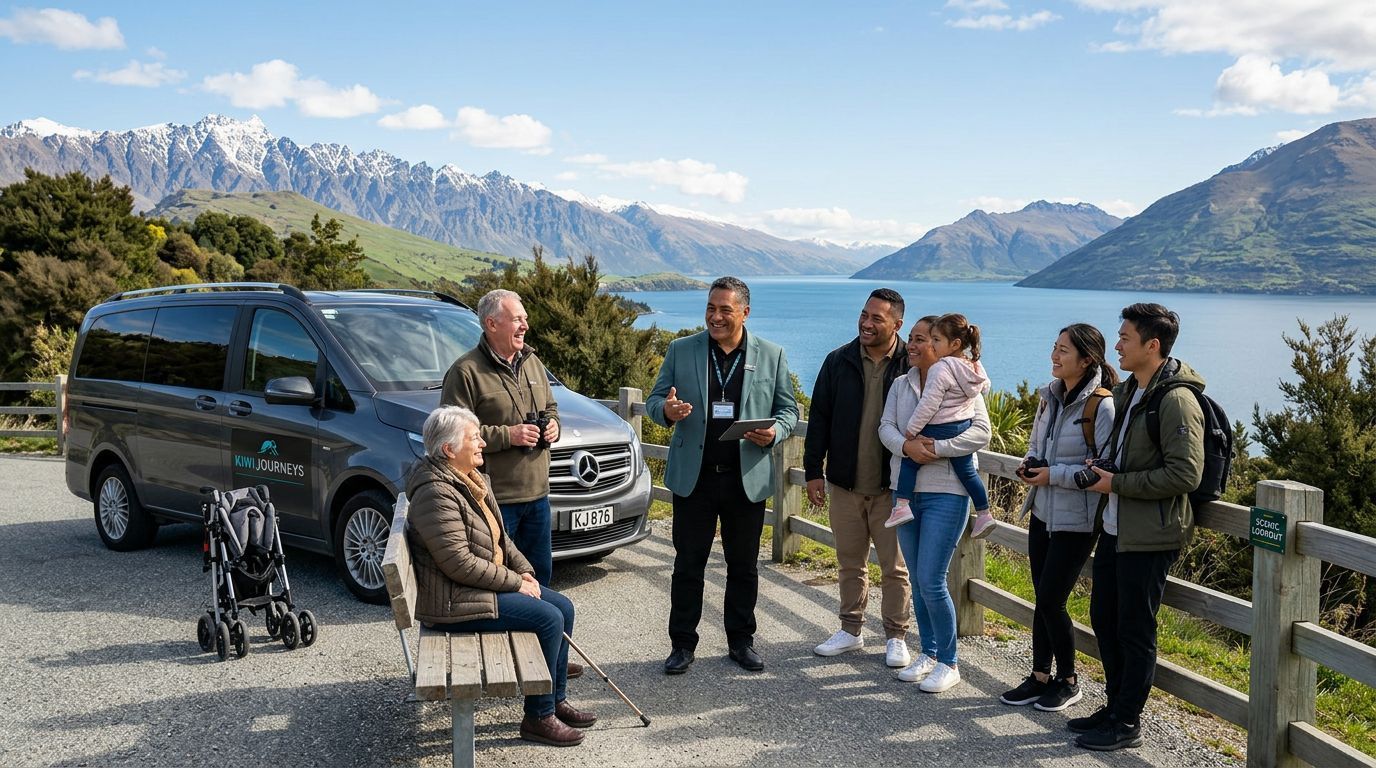
Small group travel and private tours offer significant sustainability advantages over large-scale coach tourism. A private vehicle carries fewer passengers but allows for a much higher degree of flexibility and care. Small groups have a smaller physical footprint, which reduces the "crush" at popular scenic spots and allows for visits to quieter, more fragile environments that cannot accommodate large buses.
Private tours also enable a deeper connection with the destination. A dedicated driver-guide can share nuanced stories about local ecology and history, fostering a greater appreciation for the land. This model supports smaller, local businesses that might not have the capacity for large crowds. For example, a family of four on a private tour can stop at a boutique vineyard or a rural craft gallery, ensuring their travel spend goes directly into the hands of local artisans.
For those looking for a tailored way to see the country, our guide to private tours explains how this model provides a more intimate and respectful way to explore Aotearoa.
Practical Tips for the Conscious Traveller
Minimising your impact starts with simple, intentional choices. We recommend a "travel deep, not wide" philosophy. Instead of rushing through ten locations in a week, spend more time in fewer places. This reduces your total driving distance and allows you to form a genuine connection with the local community. Sharing a vehicle with your travel party rather than hiring multiple rental cars is another effective way to reduce your carbon footprint.
Respecting local culture is equally important. Learning basic Te Reo Māori greetings like "Kia ora" (hello) or "Ngā mihi" (thank you) shows respect for the indigenous language. When visiting marae or other significant sites, always listen to the guidance of your local hosts. These small actions contribute to a culture of mutual respect and understanding between visitors and locals.
Modern luxury travel is increasingly focused on these meaningful connections. Our exploration of bespoke travel highlights how personalised service and sustainability are becoming the new standard for high-end experiences.
The Future of Sustainable Travel in New Zealand
The demand for eco-tours and sustainable travel options is growing rapidly. Industry forecasts suggest the New Zealand sustainable tourism market will see significant expansion over the next decade. Major players, including Air New Zealand, have set ambitious goals for net-zero emissions, signaling a sector-wide shift toward greener operations. This movement ensures that New Zealand remains a world-class destination that values its natural assets as much as its economic ones.
Choosing to travel sustainably is a way to ensure that the beauty of New Zealand remains intact. Whether you are visiting for a wedding, a business trip, or a family holiday, your choices matter. By prioritising certified operators, respecting local culture, and choosing small-scale travel models, you become part of the solution for a healthier, more vibrant Aotearoa.