Exploring Rangitoto: A Hiker's Guide to Auckland’s Volcanic Island

Exploring Rangitoto: A Hiker's Guide to Auckland’s Volcanic Island

Exploring Rangitoto: A Hiker's Guide to Auckland’s Volcanic Island

Key Takeaways

  • Rangitoto is New Zealand’s youngest volcano, offering the most iconic 360-degree views of the Hauraki Gulf and city skyline.
  • The summit hike requires a moderate level of fitness and takes approximately two hours return, though side trips to lava caves add time.
  • Preparation is vital as the island has no shops or drinking water and features sharp, heat-reflecting volcanic terrain.
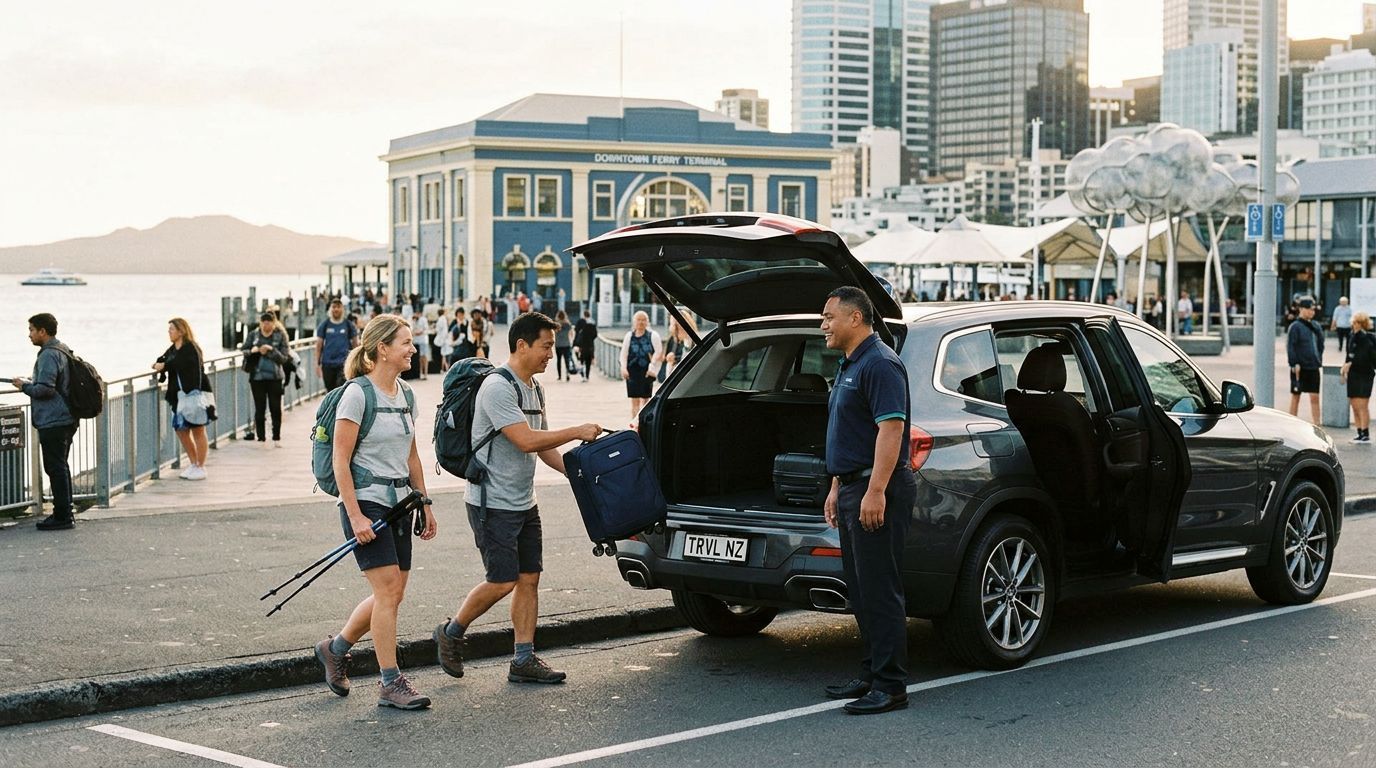
  • Private transfers to the ferry terminal allow you to focus on the adventure while we handle the logistics and luggage.

We often tell our guests that you cannot truly say you have seen the City of Sails until you have stood atop its youngest volcano. Rangitoto Island dominates the local horizon, a near-perfect cone that emerged from the sea only 600 years ago. It stands as the largest of the 53 volcanoes in the Auckland volcanic field and remains a primary fixture among the many Auckland highlights that visitors seek out for a mix of adventure and natural beauty.

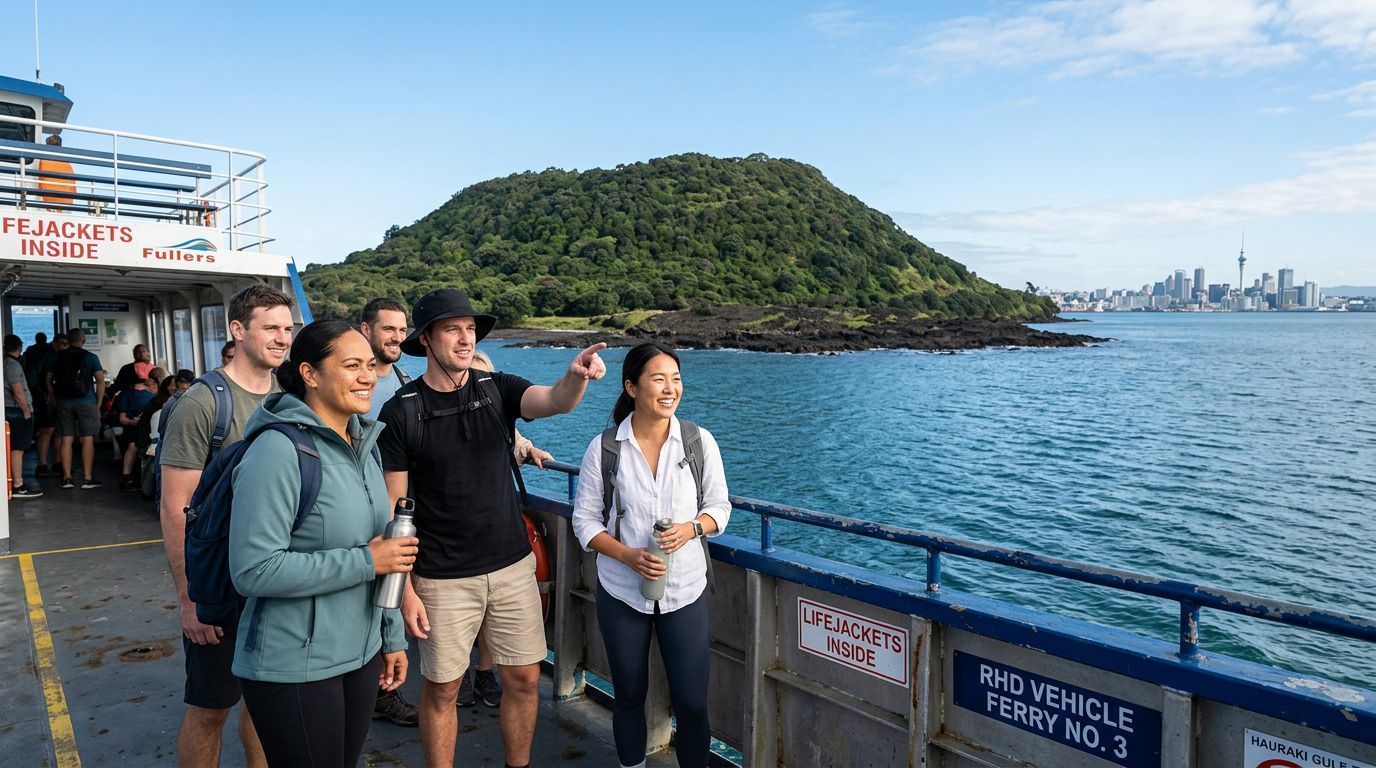
While the island feels like another planet, it is remarkably accessible. A short ferry ride from the city centre transports you to a pest-free sanctuary where the world’s largest pōhutukawa forest thrives amidst black scoria rocks. Our role at Kiwi Driver is to ensure the transition from your hotel or cruise ship to the wharf is seamless, leaving you with nothing to do but enjoy the climb and the coastal breeze.

Planning Your Rangitoto Adventure

Success on Rangitoto begins with timing. Ferries depart regularly from the Downtown Ferry Terminal at Queens Wharf and occasionally from Devonport. The journey takes roughly 25 minutes. We recommend booking your tickets in advance, particularly during the summer months when the island is most popular. Most visitors find that a half-day trip provides enough time to reach the summit and explore the lava caves, though a full day allows for a more relaxed pace and birdwatching.

We take the stress out of the morning rush by providing door-to-door service. Whether you are staying in a central city hotel or arriving at the airport, we coordinate your pickup to align perfectly with the ferry schedule. We also look after your luggage if you are between check-outs, allowing you to hike light. Upon your return, we meet you at the wharf with a climate-controlled vehicle and chilled water, a welcome comfort after a few hours on the volcanic trails.

For more ideas on how to structure your time in the city, you can view our suggested Auckland Itinerary.

The Summit Track: What to Expect

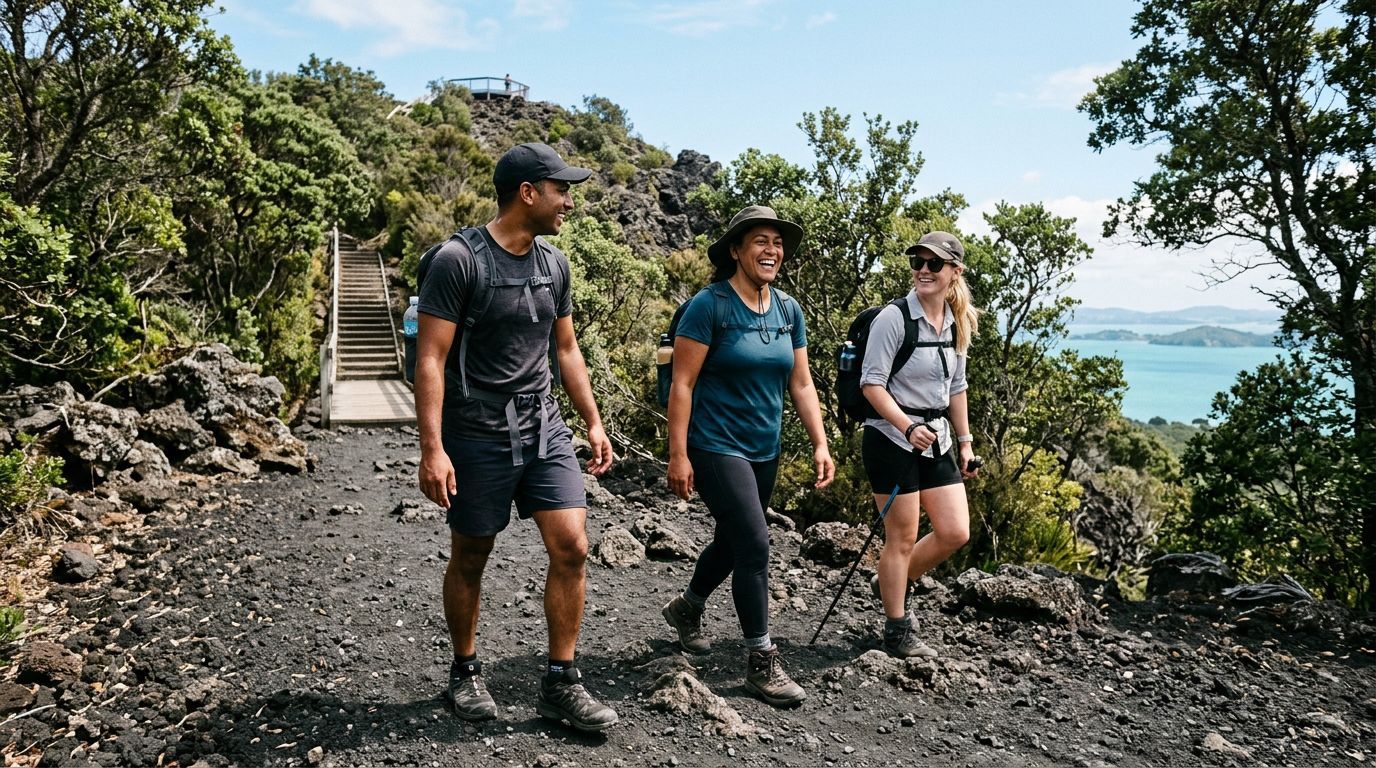
The Rangitoto Summit Track is the most popular route on the island. The Department of Conservation (DOC) grades this as an easy to intermediate walking track. It covers approximately 7 kilometres return. Most hikers complete the round trip in about two hours, though we suggest allowing three hours to account for photos and the optional detour to the lava caves.

The path begins on a gentle incline through ancient lava fields before entering the forest. The terrain consists of loose gravel and jagged volcanic rock, which can be unstable underfoot. As you gain elevation, the trees thin out, revealing the 259-metre peak. The final stretch involves a series of wooden stairs leading to a viewing platform. From here, the views of the Hauraki Gulf and the distant Waitākere Ranges are spectacular.

Consider the physical requirements before you set off. Take a traveller visiting from the United States, for example. If they are used to paved city walks, the uneven scoria on Rangitoto might feel more taxing than expected. We advise wearing sturdy footwear with good grip to protect your ankles and soles from the sharp rock.

Exploring the Lava Caves

Located about 45 minutes into the climb, the Lava Caves Track is a signposted detour that adds about 30 minutes to your total journey. These caves are natural tunnels formed by cooling lava centuries ago. They offer a fascinating glimpse into the island's violent geological birth.

Safety is paramount when entering these spaces. The ceilings are low, and the rocks are often slippery and jagged. You must bring a reliable torch, as phone lights rarely provide enough depth perception for the uneven floors. If you are uncomfortable with confined or dark spaces, the view from the cave entrance still provides a great sense of the island's history without the need to go deeper.

Essential Gear and Biosecurity

Rangitoto is a rugged, beautiful, and somewhat inhospitable environment. There are no shops, cafes, or drinking water fountains on the island. You must carry everything you need for the day. We recommend at least one to two litres of water per person, especially in summer when the black rock absorbs and radiates heat.

The island is also a strictly protected pest-free sanctuary. Before boarding the ferry, you must check your bags and footwear for seeds, soil, or small pests like ants and mice. This collective effort has allowed native birds like the tīeke (saddleback) and kākā to return to the island. Pack a nutritious lunch, high-SPF sunscreen, and a hat. Even on cloudy days, the reflection from the volcanic rock can cause significant sunburn.

You can find more details on ferry pricing and biosecurity requirements on the Fullers360 website.

A Living Sanctuary

The island's history is as layered as its geology. While it erupted only 600 years ago, it holds deep significance for local Māori. The full name, Te Rangi-i-totongia-ai-te-ihu-o-Tamatekapua, refers to a historic battle. Later, in the early 20th century, small holiday baches were built around the coast, some of which remain today as a testament to Auckland’s mid-century lifestyle.

Today, the focus is on conservation. The pōhutukawa forest is the largest of its kind in the world, and the lack of introduced predators makes it one of the best places near the city to hear the song of the bellbird or tūī. It is a place where nature is firmly in charge, offering a quiet contrast to the bustle of the CBD.

Combining Rangitoto with Your Auckland Stay

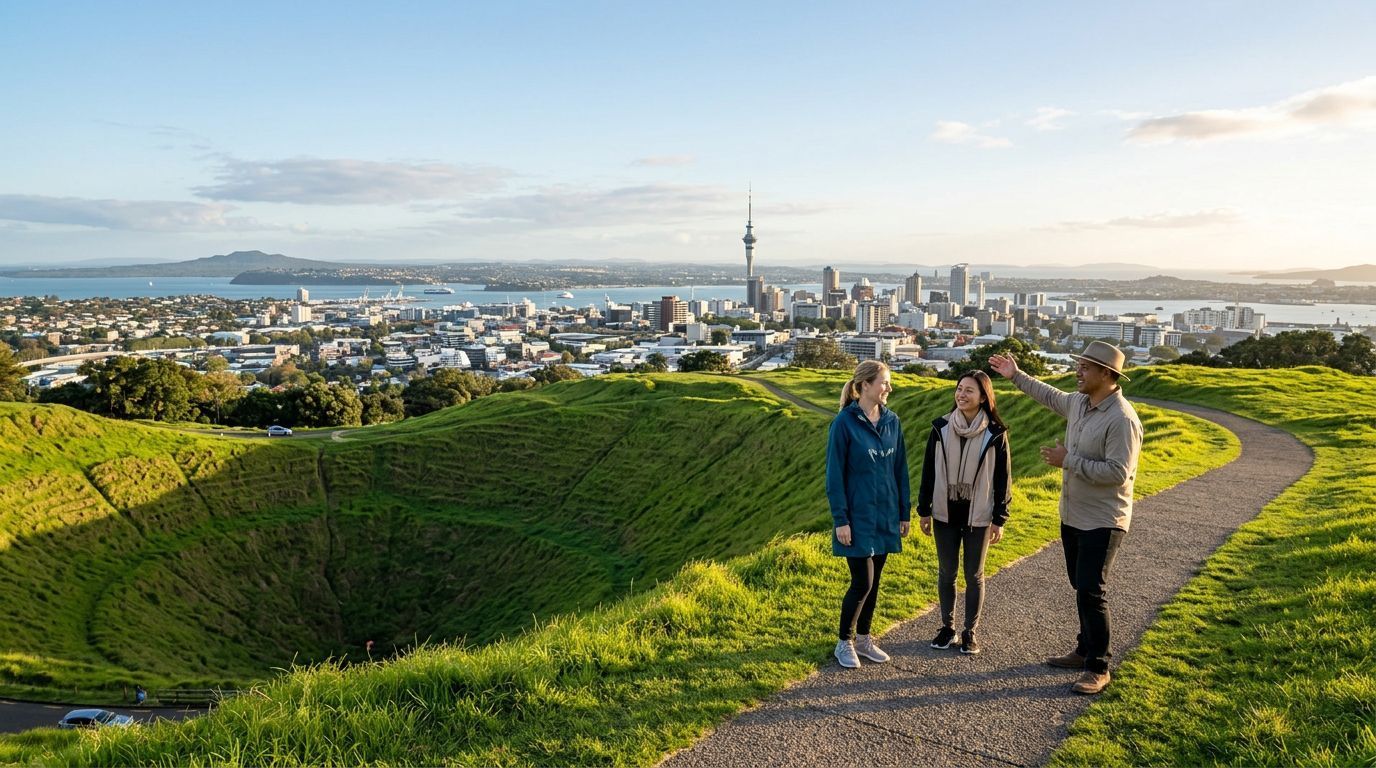
Rangitoto works best as a morning activity, leaving your afternoon free for other pursuits. Once we pick you up from the ferry, we can transition into a relaxed city orientation tour or a drive to the historic village of Devonport for lunch. Because we provide a private service, the schedule remains flexible to your energy levels.

If you are looking for more ways to explore beyond the city limits, our guide to Auckland Day Trips highlights other volcanic wonders and coastal escapes. Rangitoto remains a standout choice for those who want a genuine sense of adventure within sight of their hotel. It is a highlight that provides both a physical challenge and a profound connection to the landscape of New Zealand.

by John Beechey • 2 November 2026
Discover the best views in Auckland by exploring the city

by John Beechey • 2 November 2026
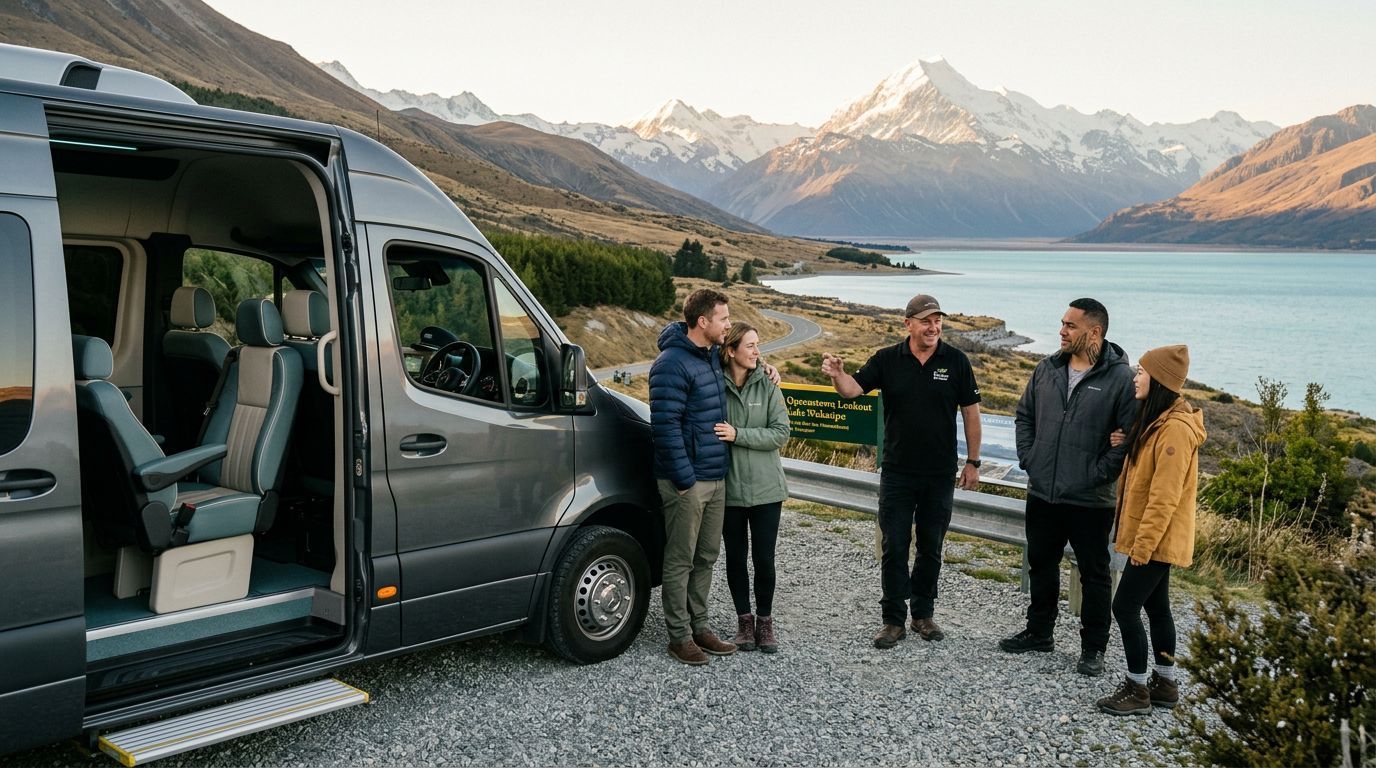
Planning a New Zealand trip? Use our expert checklist to hire the best private driver. Learn about licensing, safety standards, and local expertise for a stress-free journey.
by John Beechey • 2 November 2026
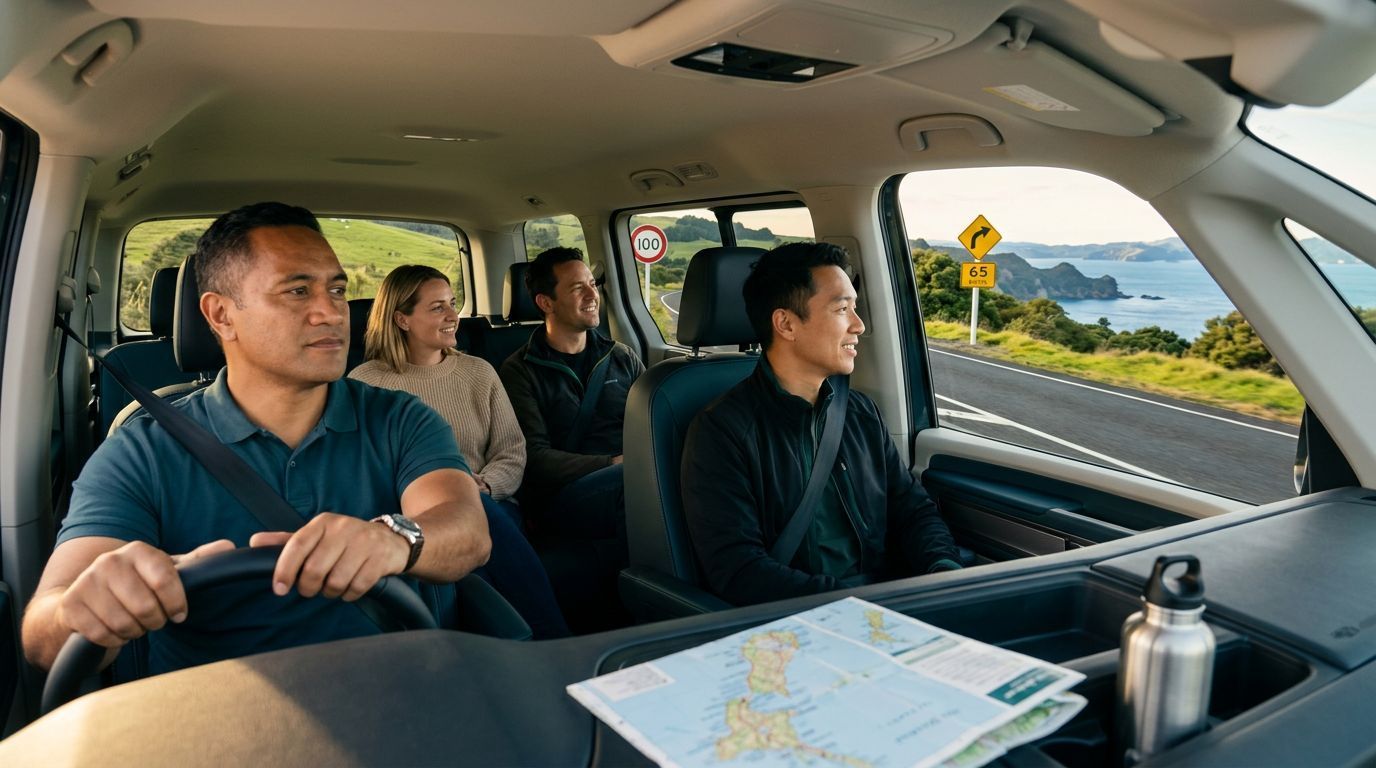
Choose between a private guided tour and a luxury small group tour for your New Zealand holiday. Compare cost, flexibility, safety, and social dynamics.
by John Beechey • 2 November 2026
Master the essential road rules and regulations in New Zealand. Learn about driving on the left, one-lane bridges, and why professional drivers offer the safest way to tour.

by John Beechey • 18 October 2026
Discover the role of a professional private driver in New Zealand. Learn how a chauffeur provides safety, local expertise, and concierge-level service for your journey.

by John Beechey • 18 October 2026
Master your New Zealand destination wedding transport logistics. Learn how to coordinate airport transfers, guest shuttles, and luxury bridal cars for a stress-free day.

by John Beechey • 18 October 2026
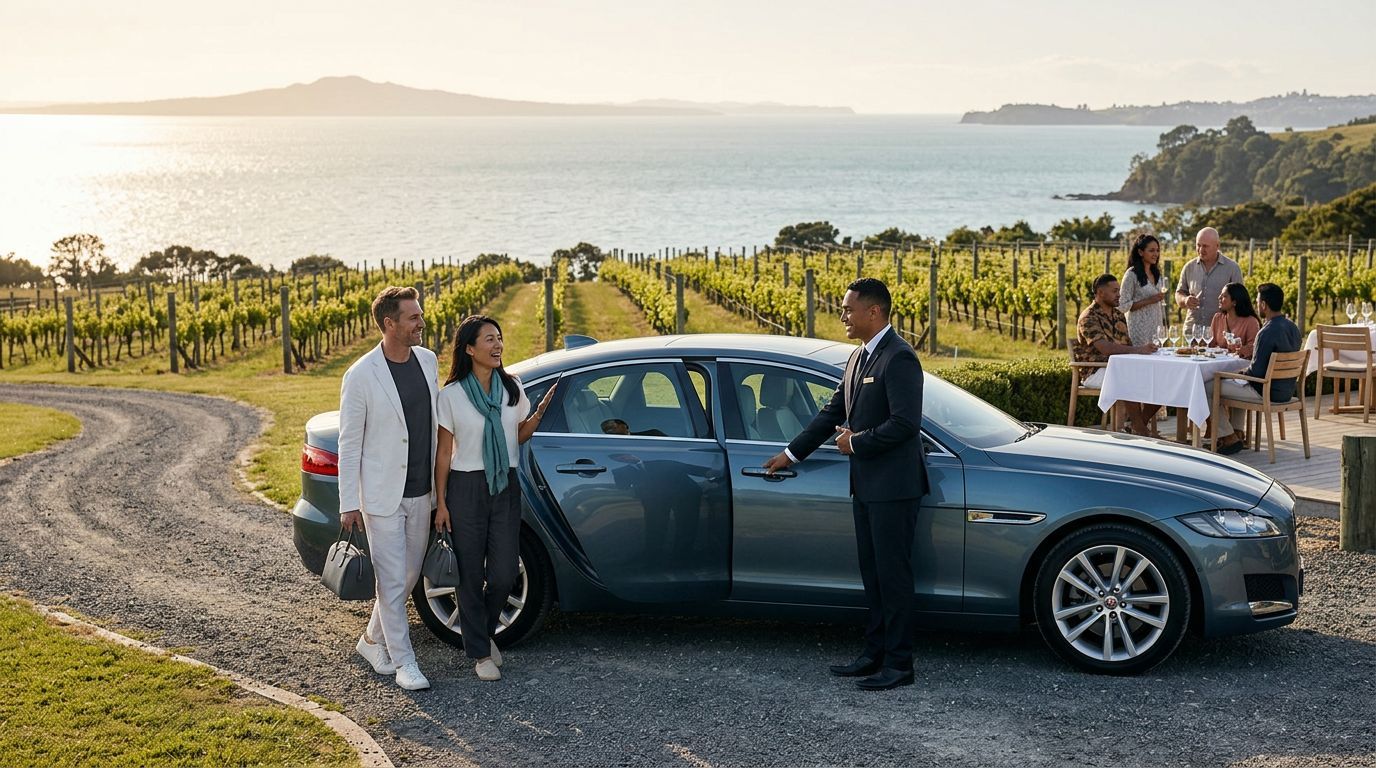
Plan your perfect Auckland wedding transport with our expert guide. Learn about vehicle styles, legal requirements, budgeting, and Auckland traffic tips.
by John Beechey • 18 October 2026
Explore the best food and wine tours in New Zealand starting from Auckland. Discover private, bespoke journeys to Waiheke Island, Kumeu, and Matakana.

by John Beechey • 18 October 2026
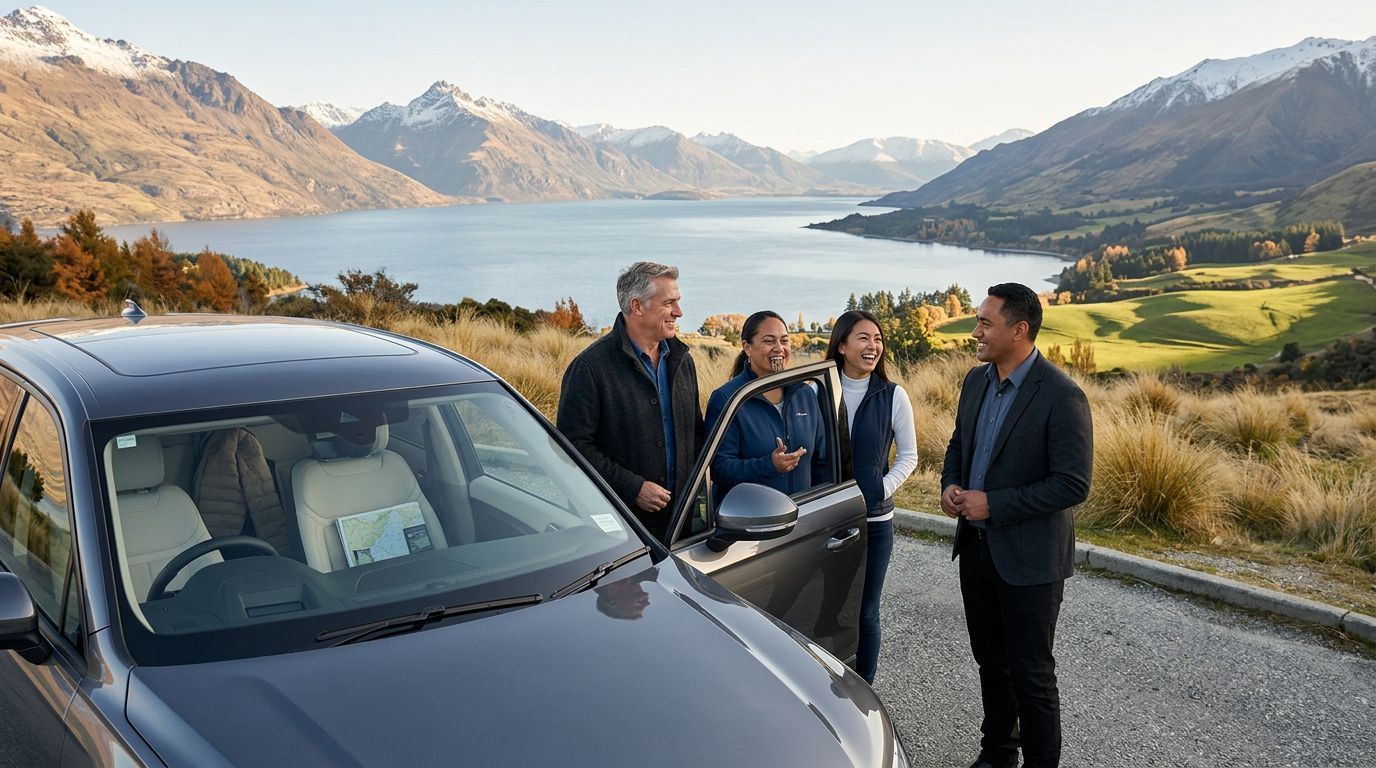
Plan your dream trip to Australia and New Zealand with our expert guide. Learn about visas, the best time to visit, and how to travel stress-free with private touring.
by John Beechey • 18 October 2026
Discover the best time to visit New Zealand with our seasonal strategy guide. Learn about weather, crowds, and pricing for luxury private tours.
Show More