
How to Choose the Right Private Tour Guide in New Zealand | Insider Checklist

How to Hire the Best Private Driver in New Zealand: An Insider's Checklist
Key Takeaways
- Verify that the operator holds a valid Small Passenger Service Licence (SPSL) to ensure legal compliance and insurance coverage.
- Confirm drivers possess a Passenger (P) endorsement, which involves rigorous police vetting and safety checks.
- Check for a Certificate of Fitness (CoF) rather than a standard Warrant of Fitness (WoF) to guarantee commercial-grade vehicle maintenance.
- Prioritise drivers with extensive local road experience to mitigate risks associated with New Zealand's unique terrain and weather.
- Differentiate between a point-to-point chauffeur and a driver-guide who provides itinerary support and cultural storytelling.
Planning a journey through New Zealand often starts with a dream of the Southern Alps or the pristine beaches of the Far North. However, the reality of managing narrow, winding roads and unpredictable weather can quickly turn a relaxing holiday into a high-pressure driving assignment. Hiring a private driver allows you to reclaim your holiday, but the quality of service varies significantly across the industry.
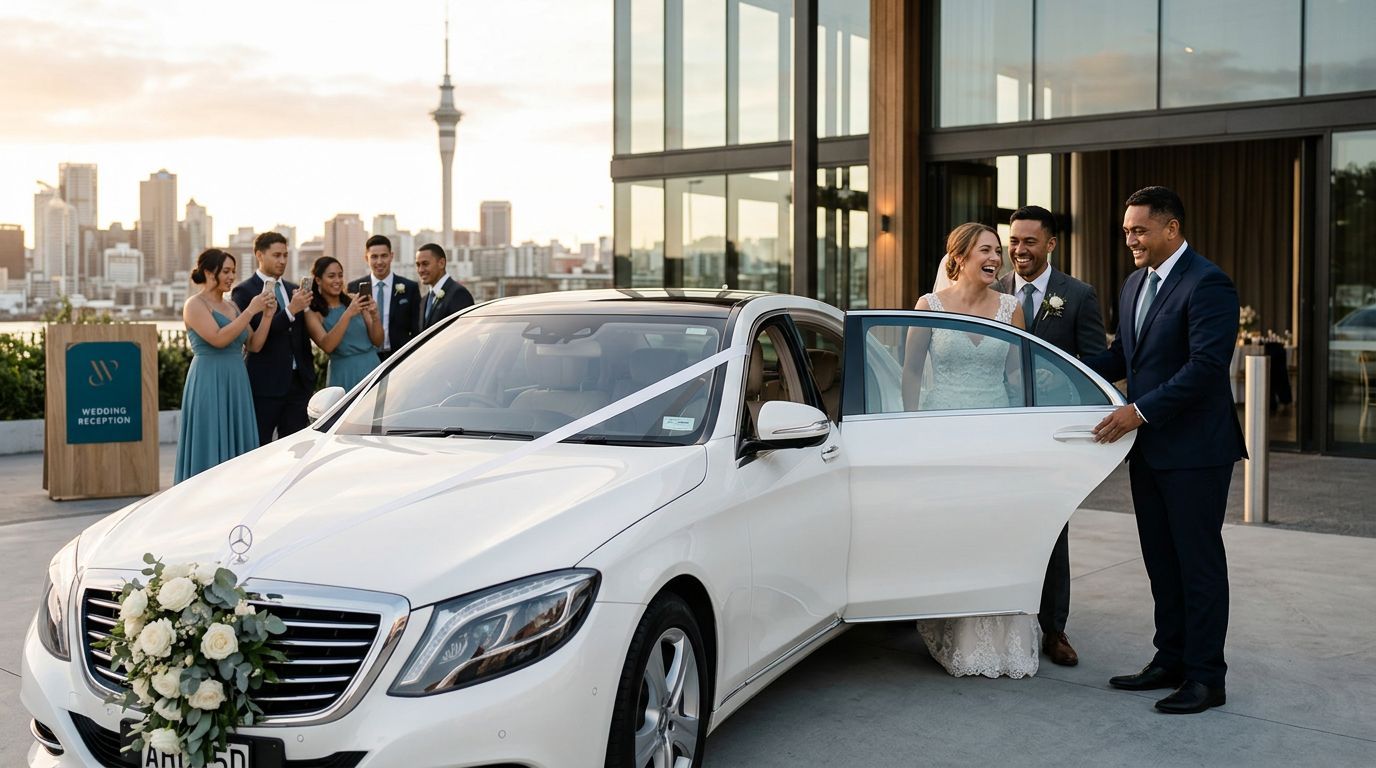
We believe that your transport provider should be more than just a person behind the wheel. They are your host, your local expert, and your safety net. Whether you are arranging a multi-generational family tour or a premium transfer for a wedding in Queenstown, using a structured vetting process ensures you choose a partner who meets the highest standards of professionalism and safety.
1. Verify Legal Compliance and Licensing
New Zealand law maintains strict regulations for carrying passengers for hire or reward. Legitimate operators must hold a Small Passenger Service Licence (SPSL). This licence indicates that the company has met the requirements set by Waka Kotahi (NZ Transport Agency) to operate commercially. Operating without this licence is illegal and carries significant penalties, including fines of up to $10,000 for a first offence.
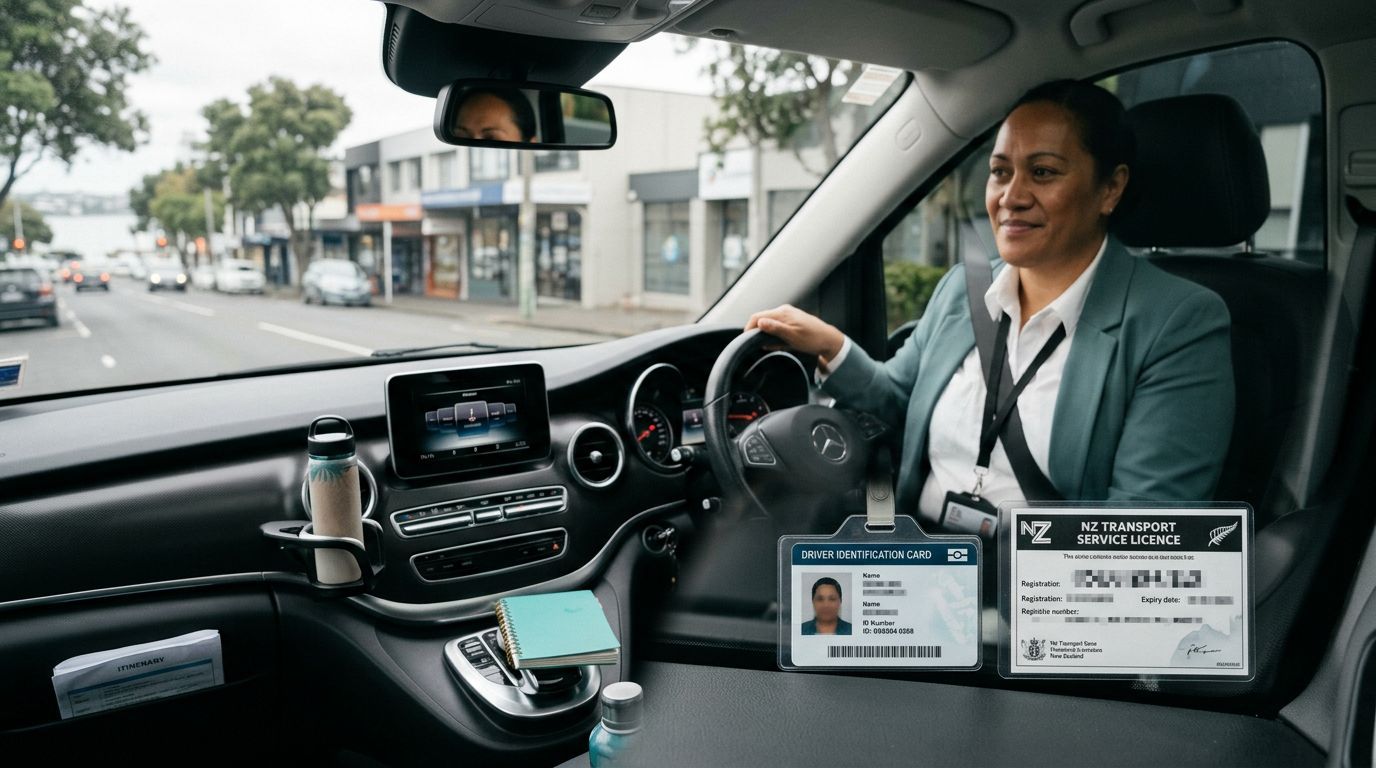
A compliant operator provides peace of mind through documented legitimacy. When you are vetting a potential driver, ask for their SPSL number and check for the Transport Service Licence (TSL) label displayed on the vehicle's windscreen. This label is a legal requirement that allows enforcement officers and passengers to identify a licensed service. Choosing an unlicensed driver, even if the price seems attractive, exposes you to risks regarding insurance validity and safety oversight.
2. Confirm Driver Credentials and Vetting
The person driving you must hold a Passenger (P) endorsement on their driver licence. To obtain this, a driver must have held a full New Zealand licence for at least two years and pass a fit and proper person assessment. This assessment involves a thorough review of criminal history, traffic offending, and past complaints. This vetting is an ongoing process, ensuring that the person responsible for your safety remains suitable for the role.
Professional drivers also carry a driver identification card, which must be clearly displayed. This card serves as proof that the driver is authorised to transport passengers commercially. We maintain a team of experienced professionals who meet these standards, ensuring every journey is handled by a vetted expert. You can learn more about our commitment to professional standards on our About Us page.
3. Prioritise Local Road Experience
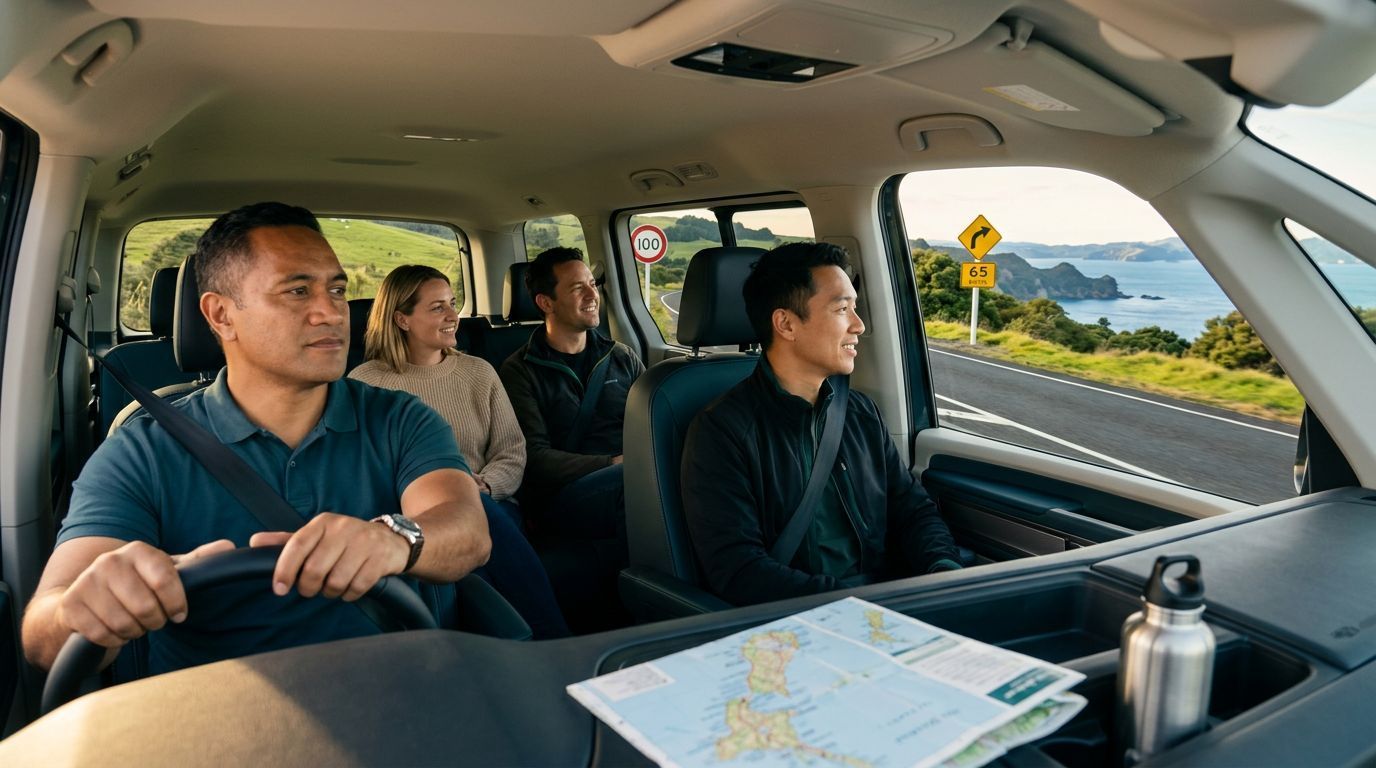
New Zealand roads present unique challenges that differ greatly from the motorways of Europe or North America. Our terrain includes alpine passes, coastal routes with high wind exposure, and gravel roads in rural areas. Statistics from the Ministry of Transport show that overseas drivers were involved in 13 fatal crashes and 84 serious-injury crashes in 2023. In popular tourist regions like Queenstown and the West Coast, overseas drivers are involved in an estimated 31 to 40 percent of fatal and injury crashes.
A professional driver brings years of experience handling these specific conditions. They understand the nuances of winter driving on the Crown Range or the logistical demands of the Milford Road. Research from a Queenstown study revealed that 97 percent of international drivers failed a basic road-theory quiz even after driving in the country for a week. Hiring a local expert eliminates this risk, allowing you to enjoy the scenery while a professional manages the road.
4. Inspect the Fleet and Safety Standards
Commercial vehicles in New Zealand are held to a higher maintenance standard than private cars. While a standard car requires a Warrant of Fitness (WoF), a passenger service vehicle must undergo a Certificate of Fitness (CoF) inspection. These checks occur more frequently and involve more rigorous safety criteria, reflecting the higher mileage and responsibility of commercial transport.
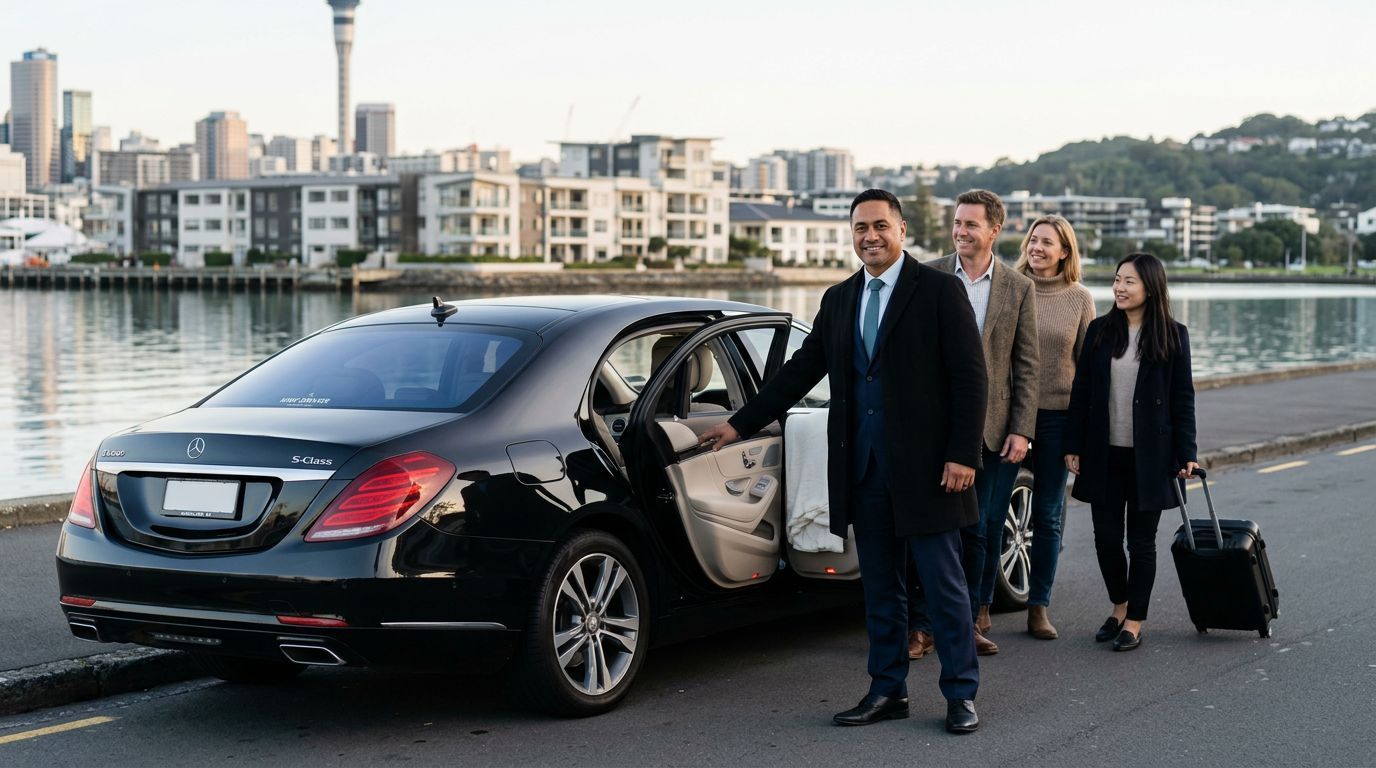
When choosing a provider, ask about their fleet's age and safety features. A premium service should offer vehicles equipped with modern stability control, multiple airbags, and climate control. Beyond safety, consider the amenities that enhance a long journey, such as onboard Wi-Fi and bottled water. Our fleet is curated to provide these comforts, ensuring that a trip from Auckland to Rotorua is as relaxing as it is safe.
5. Distinguish Between a Driver and a Driver-Guide
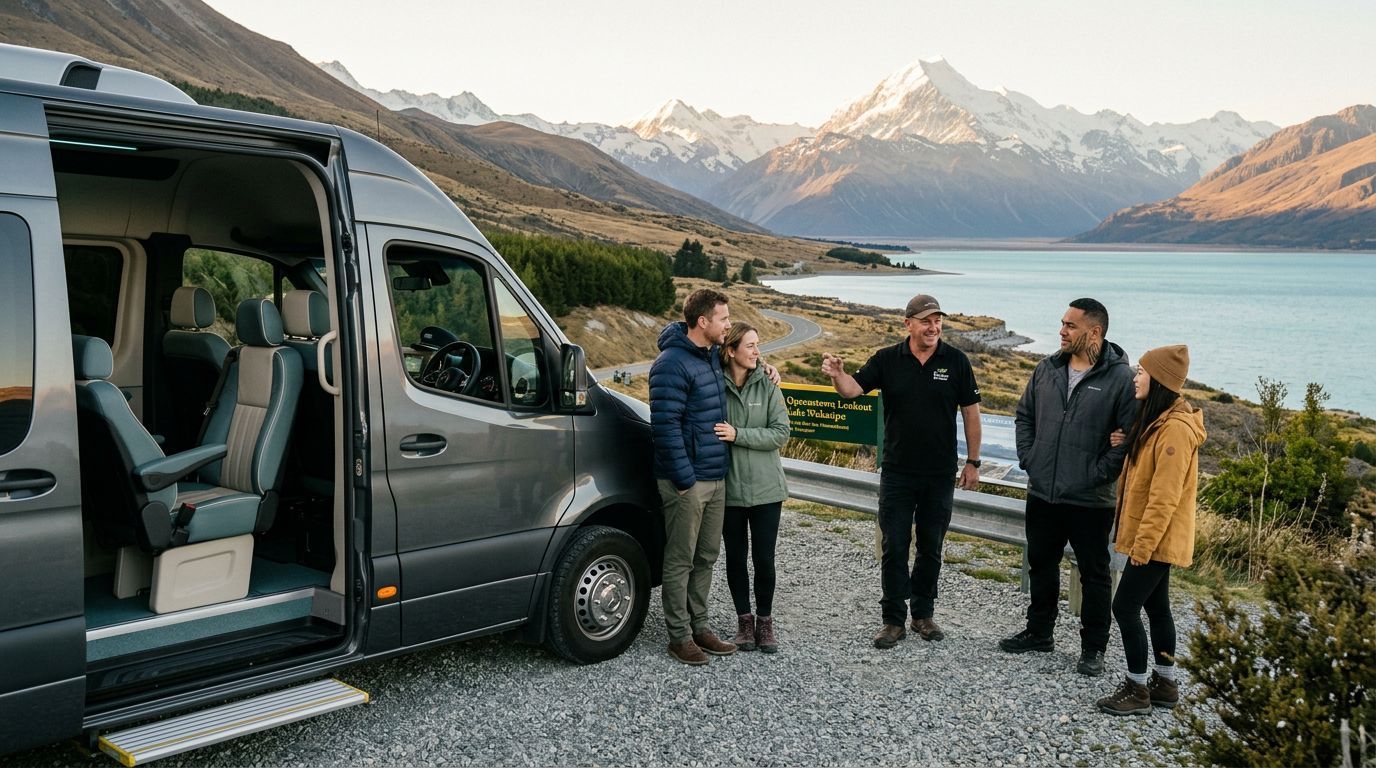
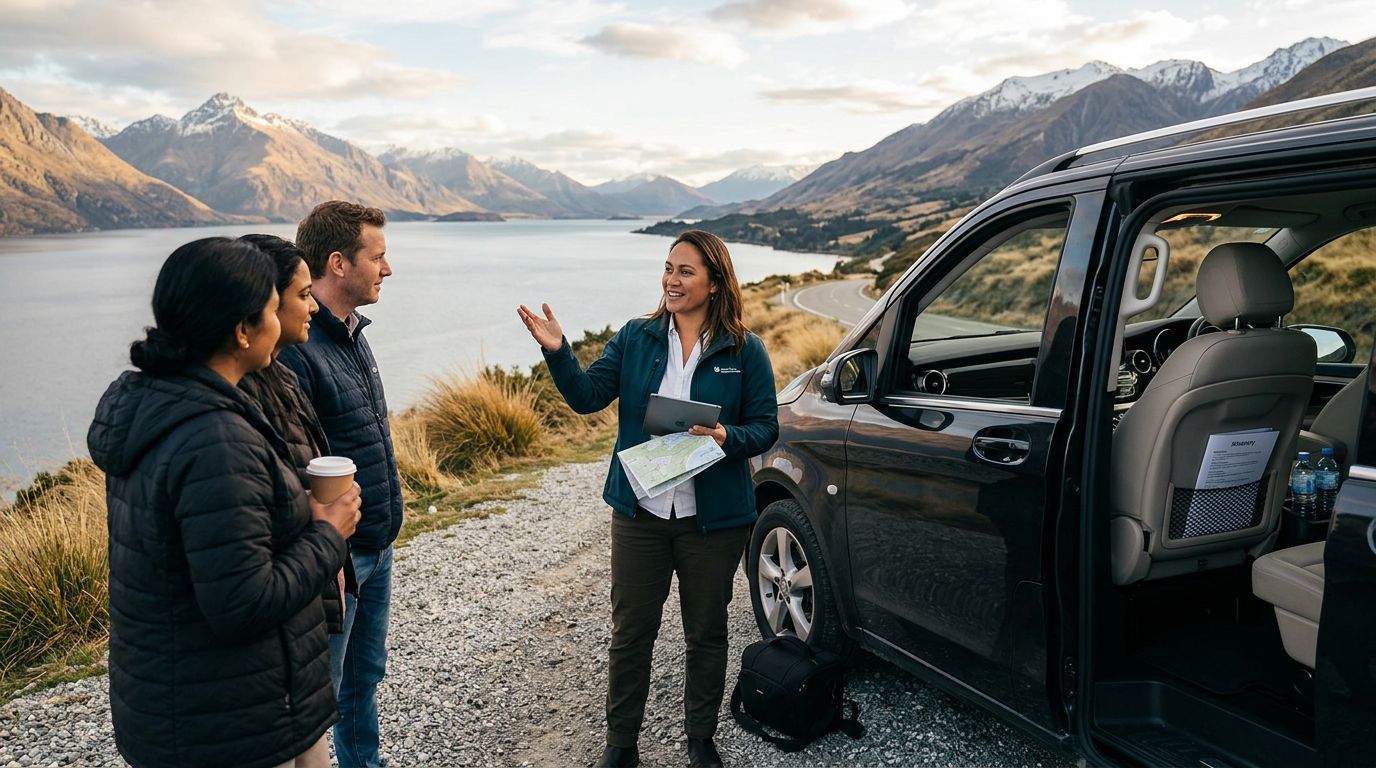
A point-to-point chauffeur focuses primarily on the destination, but a driver-guide adds value through storytelling and itinerary management. A true driver-guide acts as a cultural ambassador, providing insights into Māori history, local geology, and the best places to find a flat white in a small town. They offer flexibility, allowing for spontaneous photo stops or adjustments based on the weather.
Consider whether you need simple transport or a fully managed experience. A driver-guide assists with restaurant recommendations, attraction bookings, and finding hidden gems that are not on the standard tourist map. This level of service transforms a simple commute into a tailored exploration of the country. We discuss the benefits of this personalised approach in our guide on the art of travel.
6. Evaluate the Total Value Proposition
Private transport is a premium investment, but the cost gap between self-drive and a private driver is often smaller than it appears. When calculating a self-drive budget, you must account for the daily rental rate, fuel, parking fees, and vehicle ferry costs. Furthermore, reducing a standard insurance excess from $5,000 to zero typically adds $15 to $30 per day.
For families or small groups, hiring a single luxury van with a driver can be more cost-effective than renting two separate cars and paying for multiple sets of insurance and fuel. A private driver also removes the "mental load" of navigation and parking, which is particularly valuable for cruise ship passengers with strict departure times. You can find a detailed breakdown of these costs in our analysis of whether a private tour guide is worth the investment.
7. Check Reviews for Patterns of Reliability
Social proof provides the most honest look at a company's daily operations. When reading reviews, look for specific mentions of punctuality, vehicle cleanliness, and the driver's ability to handle delays. A reliable company tracks flights and cruise ship schedules, ensuring they are waiting for you even if your arrival time changes.
Look for feedback that mentions the driver's personality and helpfulness. Did they assist with heavy luggage? Did they suggest a better route when roadworks appeared? These details indicate a service-oriented culture. Consistent praise across independent platforms like Google and Tripadvisor is a strong indicator of a trustworthy operator.
8. Demand Clear Communication and Transparency
A professional booking process should be straightforward and documented. You should receive a written confirmation that outlines the vehicle type, the driver's role, and a clear breakdown of costs. Transparency is essential to avoid surprise surcharges for tolls, parking, or after-hours service.
Ask the provider how they handle communication on the day of travel. A high-quality service will provide you with the driver's contact details and use platforms like WhatsApp or SMS to keep you updated. This level of coordination is vital for airport pickups or complex event logistics, ensuring you never feel stranded in a new city.
Choosing the right private driver in New Zealand is about finding a partner who values your safety and time as much as you do. By following this checklist, you can ensure that your New Zealand experience is defined by the beauty of the landscape, rather than the stress of the road.