Maori Culture Unveiled: Your Essential Traveller's Guide to Aotearoa's Heart

Māori Culture 101: A Traveller's Introduction to Aotearoa's Heritage
Key Takeaways
- Māori culture exists as a vibrant, living heritage woven into the fabric of daily life across New Zealand.
- Understanding core values like manaakitanga (hospitality) and kaitiakitanga (guardianship) transforms a standard holiday into a meaningful connection.
- Respectful etiquette, such as removing shoes before entering buildings and following pōwhiri protocols, ensures visitors are welcomed warmly.
- Private guided tours provide the necessary context and confidence to engage with sacred sites like Waitangi and Te Puia respectfully.
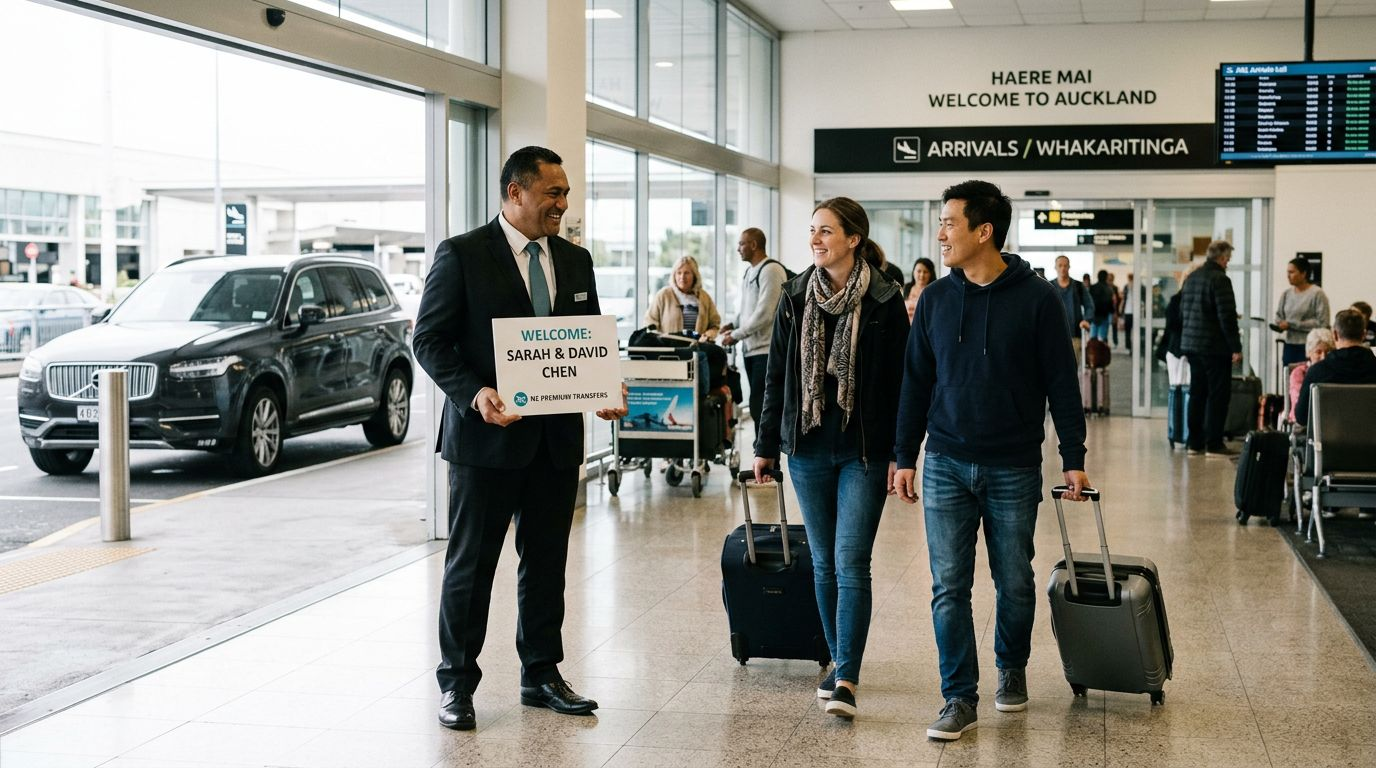
Stepping off a plane in Aotearoa New Zealand often feels like entering a world of breathtaking landscapes, yet the true soul of the country resides in its people and their stories. For many of our guests, the initial encounter with Māori culture happens through a powerful haka or a carved meeting house. These moments represent a living, breathing heritage that shapes how we live, speak, and welcome guests today.
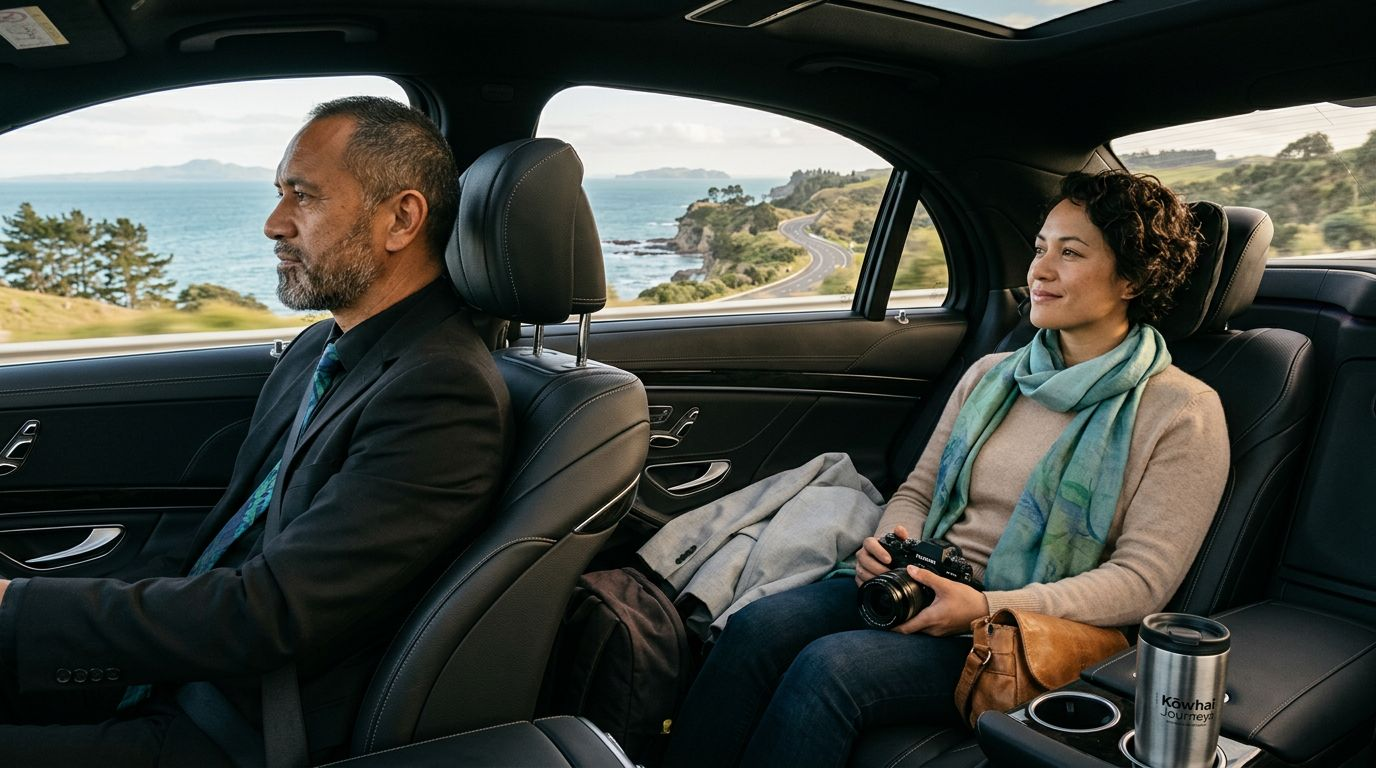
We believe that travel should be more than a collection of photos. It should be a series of connections. When you join us for cultural and historical guided tours, our role involves more than driving you from point A to point B. We act as your cultural hosts, helping you understand the values that define our home. Whether you are exploring the bustling streets of Auckland or the geothermal wonders of Rotorua, Māori culture provides the foundation for the New Zealand experience.
The Values That Shape Our Welcome
Māori culture operates on several foundational values that dictate how we interact with one another and the land. Manaakitanga stands at the forefront of these values. It describes a deep sense of hospitality, care, and respect for guests. When we host you on a private tour, we practice manaakitanga by ensuring your comfort and sharing our knowledge with honesty and warmth.
Kaitiakitanga represents another essential concept, focusing on the guardianship of the environment. Māori view themselves as protectors of the land rather than owners. This perspective explains why many of our most beautiful natural sites are managed with such care. By following the principles of kaitiakitanga, we help preserve these treasures for future generations.
Whanaungatanga emphasizes the importance of relationships and connections. We treat our guests as part of our extended family, building a rapport that goes beyond a standard service. This approach allows us to share the stories of mana, or the inherent authority and dignity of the people and places we visit, in a way that feels personal and authentic.
Understanding the Marae and Pōwhiri
The marae serves as the focal point of Māori community life. It consists of a complex of buildings and open spaces where tribal groups meet to celebrate, mourn, and discuss important issues. The wharenui, or meeting house, often features intricate carvings (whakairo) that represent ancestors and tribal history. As of 2026, over 1,000 active marae exist across New Zealand, remaining central to both Māori and wider community life.
Entering a marae involves a formal welcoming ceremony known as a pōwhiri. This process transitions visitors from being strangers (waewae tapu) to being part of the local group (tangata whenua). The ceremony follows a specific sequence: the karanga (a ceremonial call led by women), whaikōrero (formal speeches), waiata (songs), and the hongi (the pressing of noses and foreheads to share breath). The process concludes with kai, or shared food, which lifts the tapu (sacredness) of the ceremony and brings everyone into a state of noa (ordinariness).
According to tikanga Māori research, these rituals remain vital for maintaining the spiritual and social balance of the community. While the process may seem formal, your driver-guide will prepare you for each step, ensuring you know when to stand, when to sit, and how to participate with confidence.
Practical Etiquette for a Respectful Visit
Respecting tikanga (customs) allows you to move through Aotearoa with ease and grace. Many of these rules are simple but carry significant weight. For example, always remove your shoes before entering a home or a wharenui. This practice keeps the sacred space clean and shows respect for the ancestors represented within the building.
In Māori culture, the head is considered the most sacred part of the body. You should avoid touching anyone’s head, including children, and never pass food over someone’s head. Similarly, tables are for food and should never be sat upon. These small adjustments in behaviour demonstrate a high level of cultural awareness and respect.
When visiting a marae, specific rules apply. You must wait to be called onto the grounds and walk in a group. Inside the wharenui, food and drink are strictly prohibited. Photography etiquette varies, so we always recommend asking for permission before taking photos of people or sacred carvings. If you are making a personal visit, a koha (gift or donation) is often expected. A standard guideline for a personal visit is approximately NZD $20 per person, though the emphasis remains on giving what you can afford.
Detailed guides on marae etiquette suggest that listening quietly and following the lead of your hosts is the best way to ensure a respectful encounter. We handle the logistics and briefings so you can focus on the experience itself.
Must-Visit Cultural and Historical Sites
Aotearoa offers numerous sites where history and culture converge. In the North Island, the Waitangi Treaty Grounds serve as the birthplace of modern New Zealand. Here, you can stand on the spot where the founding document between the British Crown and Māori chiefs was signed in 1840. The site features two contemporary museums and a magnificent carved meeting house.
Rotorua remains a primary hub for cultural and historical guided tours. Te Puia combines the spectacular Pōhutu Geyser, which erupts up to 30 metres high, with the New Zealand Māori Arts and Crafts Institute. Visitors can watch master carvers and weavers at work, preserving traditional techniques for new generations. You can find more details on exploring Te Puia through our dedicated guide.
Further north, the Waipoua Forest houses Tāne Mahuta, a giant kauri tree estimated to be between 2,500 and 3,000 years old. Reaching 51 metres in height, this ancient giant represents a significant ancestor in Māori cosmology. Standing in its presence provides a profound sense of the connection between the people and the natural world.
For those interested in a wider range of experiences, our rotorua tour options include cultural dining at Te Pā Tū and visits to geothermal valleys that have supported Māori communities for centuries. These sites offer a glimpse into how traditional knowledge continues to thrive in the modern world.
Why a Guided Experience Matters
With international visitor arrivals reaching approximately 3.31 million in 2024, the demand for authentic experiences continues to grow. Many travellers stay for an average of ten nights, making every day precious. A private guided tour ensures that you spend your time engaging with the culture rather than worrying about navigation or protocol.
Our driver-guides act as bridges between cultures. We explain the stories behind the place names, the meaning of the carvings, and the significance of the songs you hear. We help you navigate the nuances of a pōwhiri and ensure you feel comfortable in every setting. By choosing Māori-led or community-run experiences, we also ensure that your visit supports local projects and conservation efforts.
Imagine a traveller from London or Sydney visiting a small community in the Hokianga. Without a guide, they might see a beautiful harbour. With a guide, they hear the story of Kupe, the great explorer who first discovered Aotearoa. The landscape transforms from a view into a narrative. This depth of understanding turns a simple trip into a life-changing journey.
We invite you to explore Aotearoa with an open heart and a curious mind. By respecting our customs and embracing our stories, you become part of the ongoing history of this land. We look forward to sharing the beauty of Māori culture with you on your next visit.